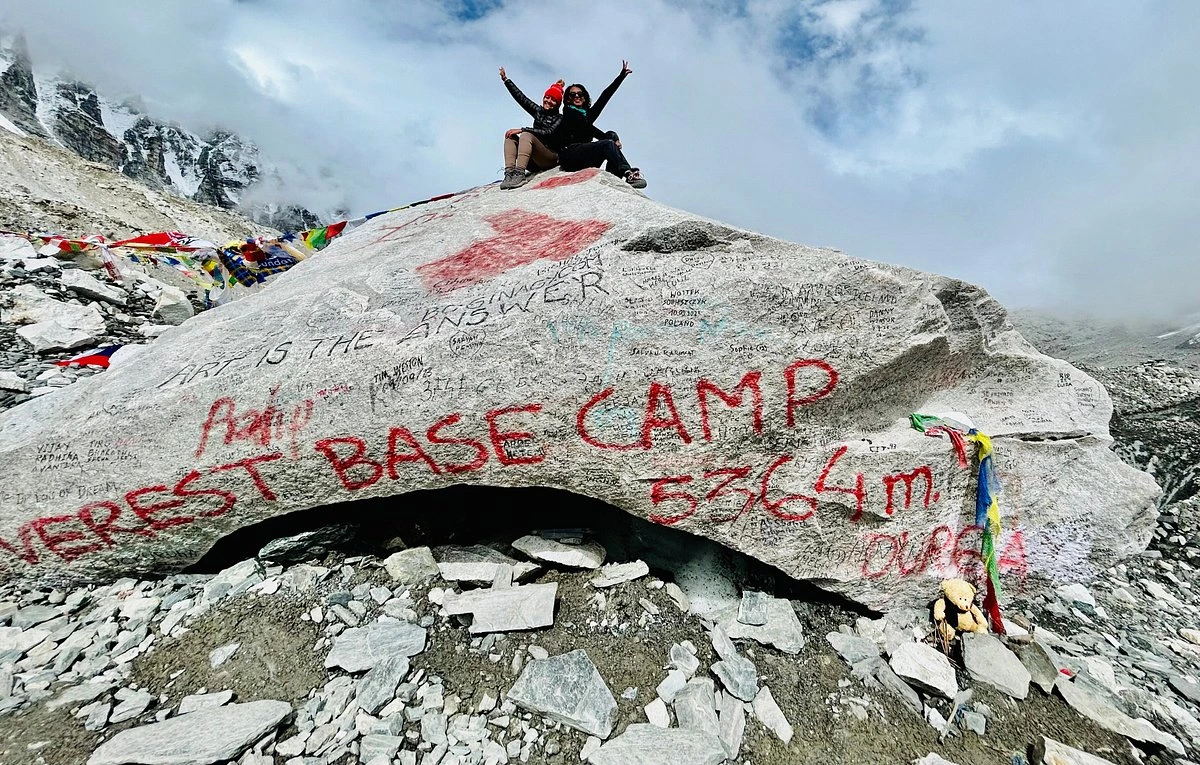
Yes, Everest Base Camp can be crowded, especially during the two peak trekking seasons: spring (March to May) and autumn (September to November). These months offer the most stable weather and the clearest mountain views, so they attract the highest number of trekkers from around the world.
However, the trail is not crowded all year round. Even in busy months, your experience depends on your timing, daily schedule, route choices, and overnight stops. For some trekkers, the route feels lively and exciting. For others, it can feel busier than expected. The key is understanding when and where crowds are most noticeable so you can plan accordingly.
Table of Contents
Why Does Everest Base Camp Feel Crowded?
Everest Base Camp is one of the most famous trekking routes in the world. It has been featured in countless travel stories, documentaries, and social media posts, making it a bucket-list adventure for many people. Because of its popularity, tens of thousands of trekkers visit the Khumbu region every year.
The route also has a very well-established infrastructure. Regular flights to Lukla, a network of tea houses along the trail, and widely available trekking guides make the trek accessible to a broad range of travelers. This accessibility is a strength, but it also means the trail can feel busy during certain months.
Another major reason the route feels crowded is that most trekkers follow a very similar EBC itinerary. The standard Everest Base Camp trek follows the same path, with acclimatization stops in the same villages, overnight stays in the same tea houses, and arrival at Base Camp and Kala Patthar on similar days. When thousands of trekkers follow the same schedule in the same season, it naturally creates congestion at key points along the route.
When Is Everest Base Camp Most Crowded?
Spring Season: March to May
Spring is one of the busiest periods for the Everest Base Camp trek. Temperatures are warmer than winter, the weather is generally more stable, and visibility is often good. This season also overlaps with the main Everest expedition season, which brings additional climbers, expedition teams, and logistics support onto the same trails.
Among the spring months, April and early May tend to be the most crowded. Tea houses fill up quickly, Lukla flights are heavily booked, and the trail feels active throughout the day.
Autumn Season: September to November
Autumn is widely considered the most popular trekking season in the entire Everest region. Once the monsoon rains end in September, the skies clear, the air is dry, and the mountain views become spectacular. These ideal conditions make autumn a top choice for trekkers worldwide.
October is generally the single busiest month on the Everest Base Camp trail. November can still be busy, though the numbers often start to drop as temperatures cool. September may begin quieter, depending on how quickly the monsoon season ends.
Where Do You Notice the Crowds Most?
Not every part of the trek feels equally busy. Crowds tend to concentrate in specific areas.
Lukla Airport
Lukla is the main gateway to the Everest region, and during peak season, flights can be delayed, rescheduled, or fully booked. The small airport handles a large volume of passengers, which can create waiting times and a busy atmosphere even before the trek begins.
Namche Bazaar
Almost every trekker stops at Namche Bazaar for acclimatization. As the main hub of the Khumbu region, it has the highest concentration of tea houses, restaurants, and shops. During peak season, Namche can feel noticeably busy, especially in the evenings when trekkers gather for meals and rest.
Popular Overnight Villages
Villages like Phakding, Tengboche, Dingboche, Lobuche, and Gorakshep are common overnight stops on the standard itinerary. Because most trekkers arrive at these villages around the same time in the afternoon, tea houses can fill up, and finding a room without advance booking can sometimes be difficult.
Everest Base Camp and Kala Patthar
The final destinations of the trek can also feel busy on good-weather days. Kala Patthar (5,545 meters) is often more crowded than Base Camp itself because many trekkers go there at sunrise for panoramic views of Everest. If the weather is clear, expect other trekkers to be sharing the viewpoint with you.
How Do Crowds Affect the Trek Experience?
Crowds can affect the trek in several practical ways:
- Tea houses may run out of rooms if you arrive late or without a booking
- Popular viewpoints may feel busy, especially at sunrise or sunset
- Lukla flights may be harder to manage, with delays and limited availability
- The trail itself may feel active during main walking hours, especially between villages
- Dining halls in tea houses may be full, with longer waits for food and limited personal space
However, crowds are not always negative. During busy season, you may also experience:
- A lively and social atmosphere on the trail
- More open tea houses and better availability of services
- Easier access to experienced guides and porters
- A shared sense of adventure with fellow trekkers from around the world
Whether crowds improve or reduce your experience depends largely on your personal preferences and expectations.
When Is Everest Base Camp Less Crowded?
Winter: December to February
Winter is the quietest time on the Everest Base Camp trail. Far fewer trekkers attempt the route because of colder temperatures, shorter daylight hours, and the possibility of snow on higher sections. Some tea houses at higher altitudes may close during this period.
However, the skies are often very clear in winter, and the mountain views can be stunning. If you are well-prepared for the cold and experienced with winter trekking, this season can offer a uniquely peaceful experience.
Early Spring and Late Autumn
If you want a balance between good weather and fewer people, early March or late November can be good choices. These shoulder periods are often less crowded than the core peak weeks, while still offering reasonably stable conditions.
Monsoon: June to August
The monsoon season brings the fewest trekkers to the Everest region. However, it is also the least popular for good reasons. Rain, cloud cover, poor mountain visibility, muddy trails, and an increased risk of leeches at lower altitudes make this a challenging time to trek. Most trekkers and trekking companies do not recommend this period unless you are specifically seeking solitude and are prepared for difficult conditions.
How to Avoid Crowds on the Everest Base Camp Trek
If a quieter trek matters to you, here are some practical ways to reduce the impact of crowds:
1. Trek Outside Peak Weeks
Instead of choosing mid-October or late April, consider trekking in early March, early September, or late November. Even shifting your dates by a few weeks can make a noticeable difference.
2. Start Walking Early Each Day
The trail is usually quietest in the early morning. Starting your walk at first light allows you to enjoy peaceful trails and arrive at your next stop before the afternoon rush.
3. Stay in Less Common Villages
If your itinerary and physical condition allow, choosing slightly less popular overnight stops can help you avoid the busiest tea houses.
4. Book Flights and Tea Houses in Advance
During peak season, advance booking for Lukla flights and key tea houses can save you from availability issues and reduce stress.
5. Consider an Alternative Everest Route
Treks like the Gokyo Lakes trek or the Everest Three Passes trek pass through quieter sections of the Khumbu region. These routes offer stunning views and fewer trekkers, although some sections may still overlap with the classic EBC trail.
Is Everest Base Camp Too Crowded to Enjoy?
For most people, no. Even during peak season, the Everest Base Camp trek remains a powerful and rewarding experience. The mountain views, the Sherpa villages, the sense of accomplishment at reaching Base Camp, and the overall atmosphere of the Khumbu region are hard to match anywhere else in the world.
Crowds are a reality on one of the planet’s most iconic trails, but they do not erase the beauty of the Himalayas or the meaning of the journey. If you go with realistic expectations and good planning, the trek can still feel deeply personal and memorable.
Conclusion
Is Everest Base Camp crowded? Yes, it can be, particularly during the spring and autumn peak seasons. The busiest areas are usually Lukla, Namche Bazaar, popular overnight villages, and the viewpoints at Base Camp and Kala Patthar.
If you prefer fewer people, winter or shoulder-season windows may suit you better. If your priority is the best weather and clearest views, peak season is still the right choice, and with careful planning, you can manage the crowds effectively.
Either way, understanding when and where the trail gets busy is the first step toward planning a better Everest Base Camp experience.
Frequently Asked Questions
Do I need to book tea houses in advance for Everest Base Camp?
During peak trekking seasons, advance booking can be helpful, especially in popular villages. If you are trekking in October, April, or early May, rooms can fill up faster than usual. Booking ahead is not always required, but it can reduce stress during busy periods.
Are Lukla flights harder to get during busy season?
Yes, Lukla flights are usually more difficult to manage during peak trekking months. Seats can sell out early, and weather-related delays are also common. This is why many trekkers book flights in advance and keep extra buffer days in their itinerary.
Is the Everest Base Camp trail busy all day?
Not always. The trail often feels busiest during the main walking hours, especially in the morning and around lunchtime. Early mornings and some quieter stretches between villages may feel more peaceful, even in peak season.
Can crowds affect accommodation quality on the trek?
Yes, during busy months, you may have fewer room options in popular villages. Late arrivals may not always get the best rooms, and dining halls can feel more crowded in the evenings. This is more noticeable at higher stops where accommodation choices are limited.
Will I still be able to enjoy photography if the trek is busy?
Yes, definitely. While viewpoints like Kala Patthar and Everest Base Camp can have more people during clear weather, the route still offers many excellent photography spots. Starting early and using quieter moments during the day can help you get better photos with fewer people around.
Do crowds make the Everest Base Camp trek less safe?
Crowds themselves do not usually make the trek unsafe, but they can create small delays in flights, accommodation, and service at tea houses. Safety on the Everest Base Camp trek depends more on altitude awareness, weather conditions, acclimatization, and overall planning than on crowd levels alone.
Is a guide useful during crowded trekking season?
A guide can be useful during peak season because they often help with route pacing, accommodation coordination, and general logistics. This can make the trek smoother when villages and tea houses are busier than usual.
Are weekends or specific days more crowded on the trail?
Everest Base Camp crowds are mostly influenced by the season rather than weekends. Since most trekkers follow multi-day itineraries, the route stays active throughout the week during busy months. Seasonal timing matters much more than the day of the week.