Key Takeaways
- Everest Base Camp offers the iconic experience of standing at the foot of the world’s highest mountain with a lively, social trekking route.
- Gokyo Lakes provides quieter trails, turquoise alpine lakes, and one of the best panoramic mountain views in the Himalayas.
- Both treks are similar in difficulty and altitude, requiring proper acclimatization, fitness, and travel insurance.
- Your choice depends on preference: cultural, famous journey (EBC) vs peaceful, scenic, less-crowded adventure (Gokyo).
Table of Contents
Every year, thousands of trekkers fly into Lukla and face the same decision: should they head toward Everest Base Camp or take the quieter route to Gokyo Lakes? Both are world-class Himalayan treks located in Nepal’s Khumbu region, and both offer unforgettable mountain experiences that stay with you for life.
But the experience on the trail is very different. One is busy, cultural, and iconic; the other is peaceful, remote, and scenic. In this guide, you’ll clearly understand what makes each trek unique, who they are best suited for, and how to choose the right adventure based on your travel style and goals.
1. Route and Scenery Overview
Everest Base Camp Trek
The Everest Base Camp trek follows the classic Khumbu path. You walk through Namche Bazaar → Tengboche → Dingboche → Lobuche → Gorak Shep → EBC → Kala Patthar.
Along the way, you pass busy villages, ancient monasteries, and bright prayer flags. You get a deep look at Sherpa culture at every stop. The trail feels alive with history and local life.
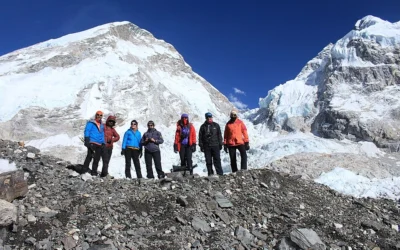
At the end, you stand at the base of the world’s tallest mountain. Few moments in trekking can match that feeling.
Gokyo Lakes Trek
The Gokyo route splits west of Namche. You follow the Dudh Koshi river upstream into the peaceful Gokyo Valley.
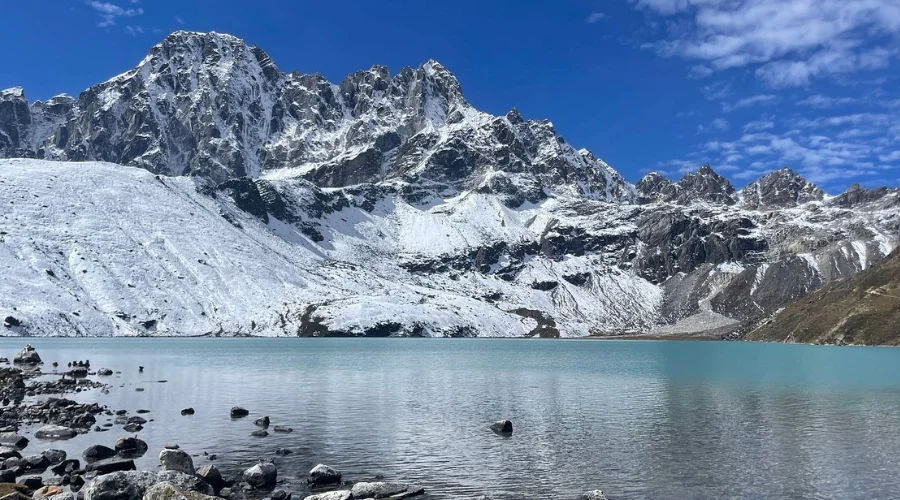
Here, six high-altitude lakes shine turquoise under the Himalayan sun. When you climb Gokyo Ri, you see a full 360° view of four 8,000-meter peaks: Everest, Lhotse, Makalu, and Cho Oyu. Many experienced trekkers say this panorama beats anything on the Everest Base Camp route.
The trail is quieter. The scenery feels raw and untouched.
2. Duration, Distance, and Altitude
| Factor | Everest Base Camp Trek | Gokyo Lakes Trek |
| Typical duration | ~14 days (Lukla to Lukla) | 12–14 days (Lukla to Lukla) |
| Highest point | Kala Patthar ~5,545 m | Gokyo Ri ~5,357 m |
| Max trail altitude | Above 5,300 m at Everest Base Camp | Still above 5,000 m |
Both treks are moderate to challenging. A fit beginner with proper training can complete either one. The key is taking enough time to acclimatize.
3. Difficulty and Acclimatization
Everest Base Camp Trek
The Everest Base Camp route pushes you hard on the final days. You spend several days above 4,500–5,000 m, and the final climb to Kala Patthar is steep and cold. The altitude hits you most on the upper section.
Gokyo Lakes Trek
The daily climbs on the Gokyo route are slightly gentler. But you spend more total time above 4,500 m, which some guides consider tougher on your body. It demands patience, not just fitness.
Acclimatization Tips for Both Treks
- Walk slowly (“pole pole” as altitude trekkers say)
- Add rest days in Namche Bazaar and again higher up
- Drink 3-4 liters of water daily
- Ask your doctor about Diamox before you go
- Never skip a rest day to save time
The Gokyo route gives you slightly more flexibility to add acclimatization days at lower altitudes. Many guides see this as a safety advantage for slower adjusters.
4. Crowds, Solitude, and Atmosphere
Everest Base Camp Route: Busy and Social
April to May and late September to November are peak seasons on the Everest Base Camp trail. During these months, the trail between Namche and Everest Base Camp can feel busy. You will share teahouses with many other trekkers and hear a mix of languages at dinner.
This social energy excites many people. You meet fellow adventurers from every corner of the world.
Gokyo Route: Quiet and Remote
The Gokyo Valley gets far fewer visitors. Even during peak season, the upper trail feels calm. You sometimes walk for hours without seeing another trekker.
If you want silence and a sense of discovery, Gokyo delivers it.
5. Trekking Highlights
Why Choose Everest Base Camp?
- The iconic destination: You stand at the base of Mount Everest and see the famous Khumbu Icefall up close. Need to know Best Sunrise View from Everest Base Camp
- Rich culture: You walk through working Sherpa villages and visit monasteries like Tengboche and Pangboche.
- The classic story: You come home saying, “I went to Everest Base Camp.” People understand exactly what that means.
Best for: First-time Himalayan trekkers who want the legendary Everest experience.
Why Choose Gokyo Lakes?
- Stunning lakes: The turquoise lakes glow like jewels at high altitude. Early morning light turns the water electric blue.
- The best panorama: Gokyo Ri’s 360° view shows four 8,000-m peaks at once. Many experienced trekkers rate it above Kala Patthar.
- Peace and solitude: You hear wind, not footsteps. You feel like an explorer, not a tourist.
Best for: Photographers, nature lovers, and experienced trekkers who want something off the beaten path.
6. Cost, Logistics, and Safety for International Travelers
Getting There
Both treks start with a short mountain flight from Kathmandu to Lukla. This 30-minute flight is famously thrilling; the runway ends at a cliff. Book early, as seats fill up fast in peak season.
Costs
- Everest Base Camp tends to cost slightly less. More agencies run it, so competition keeps prices lower.
- Gokyo may cost a little more because fewer groups go, and budget options are harder to find.
Expect to budget for:
- Permits (TIMS card + Sagarmatha National Park entry)
- Guide and porter fees
- Teahouse accommodation and meals
- Travel insurance with helicopter evacuation cover (essential — do not skip this)
Safety
Both routes have solid teahouse infrastructure. Helicopter evacuations from Lukla or Pheriche are possible if you get seriously sick.
AMS (Acute Mountain Sickness) is the biggest risk. Symptoms include headache, nausea, dizziness, and trouble sleeping. If symptoms get worse, descend immediately. Never go higher when you feel sick.
A licensed, experienced guide is your best safety tool on either route.
7. Which Trek Suits Which Traveler?
Choose Everest Base Camp if you…
- Are trekking the Himalayas for the first time
- Want the “I’ve been to Everest Base Camp” story and photos
- Love vibrant trail culture and meeting other trekkers
- Prefer a well-marked, well-supported route
Choose Gokyo Lakes if you…
- Care more about scenery than destination fame
- Want quiet trails and fewer crowds
- Love photography and dramatic lake landscapes
- Have some high-altitude experience and want something less mainstream
8. Optional: Do Both – The Three Passes Trek
Can’t choose? Do both.
The Three Passes Trek links Everest Base Camp and Gokyo via three high mountain passes: Kongma La (5,535 m), Cho La (5,420 m), and Renjo La (5,360 m). This epic loop takes 18–20 days and gives you the full Khumbu experience.
Best for: Fit, experienced trekkers who want maximum variety and an unforgettable Himalayan adventure.
9. Quick Checklist Before You Decide
Ask yourself these questions:
- Is reaching Everest Base Camp a must-have goal for this trip?
- How much do I value quiet trails over famous landmarks?
- Have I trekked above 4,000 m before?
- Do I prefer a social, cultural trail or a remote, scenic one?
- How many days do I have?
Your answers point the way:
- Mostly landmark-focused, cultural, first-timer → Everest Base Camp
- Mostly scenery-focused, remote, experienced → Gokyo Lakes
- Want it all and have time → Three Passes Trek
Final Verdict
There is no wrong answer here. Both treks are extraordinary. Both will push you. Both will reward you in ways you cannot predict before you go.
Everest Base Camp gives you the world’s most famous mountain at your feet and a trail full of human stories.
Gokyo Lakes gives you silence, turquoise water, and a panorama that stops your breath at altitude where breathing is already hard.
Pick the one that matches your idea of a perfect adventure. Then book your flight to Kathmandu.
Planning your trek? Always work with a licensed Nepali guide, carry proper travel insurance, and allow extra days for acclimatization. The mountains reward patience.