Key Takeaways
- Everest Base Camp is the gateway to Mount Everest, serving both as a crucial base for Everest expeditions and the final destination of the iconic Everest Base Camp Trek in the Nepal Himalayas.
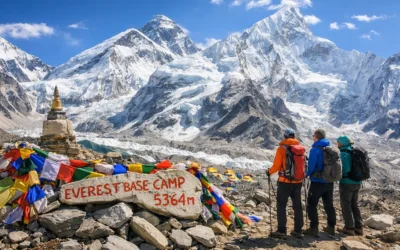
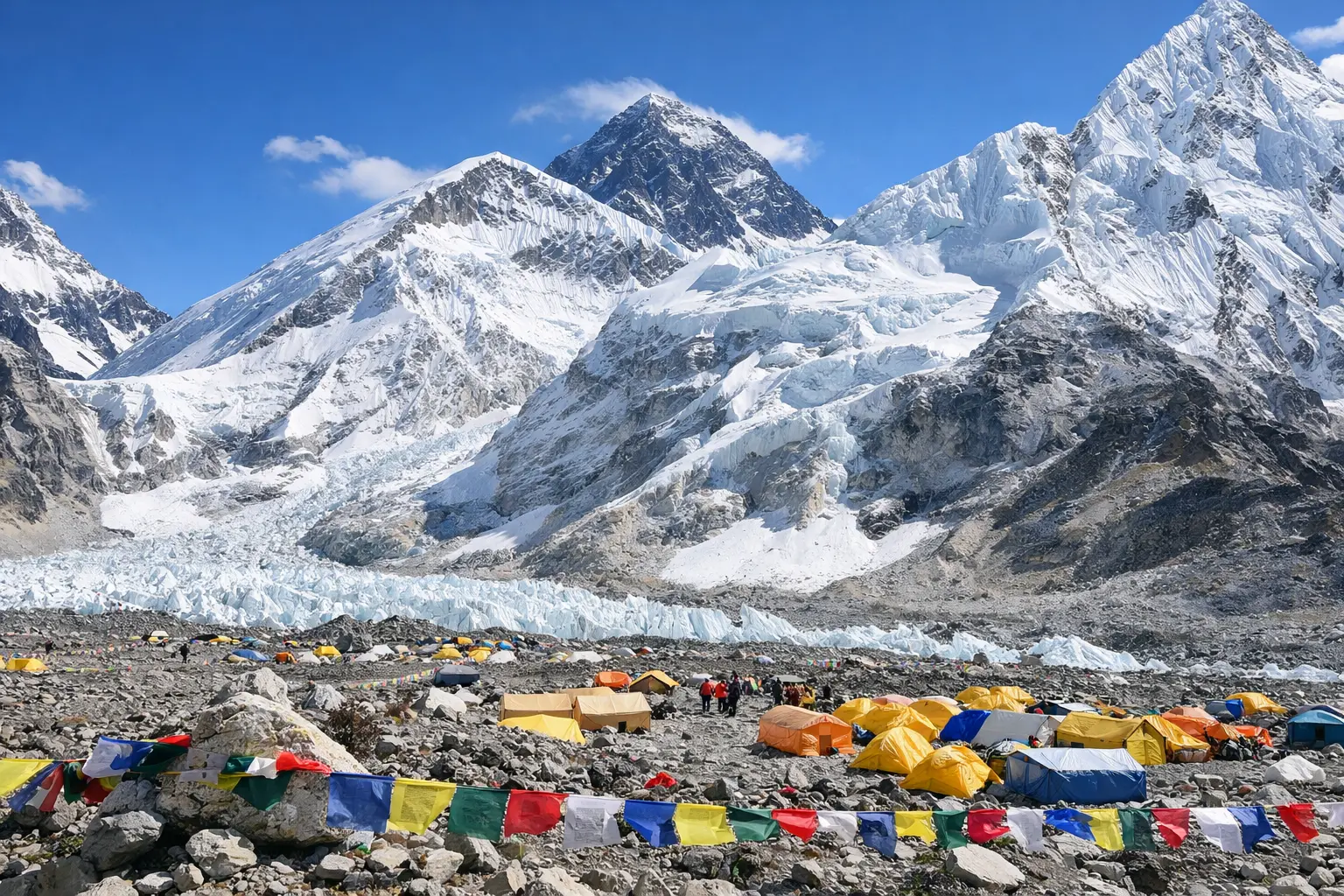
- Located at 5,364 meters inside Sagarmatha National Park, Everest Base Camp offers dramatic Himalayan scenery, views of the Khumbu Icefall, and close exposure to high-altitude mountain life.
- The Everest Base Camp Trek is a challenging but achievable journey, following the classic Lukla route with proper acclimatization to manage altitude sickness and high-altitude conditions.
- Spring and autumn are the best times to visit Everest Base Camp, providing stable weather, clear mountain views, rich Sherpa culture, and one of the world’s most rewarding trekking experiences.
Table of Contents
What Is Everest Base Camp?
Everest Base Camp (EBC) is the starting point for climbers attempting to summit Mount Everest, the highest mountain in the world. Located in the heart of the Nepal Himalayas, Everest Base Camp also serves as one of the most famous trekking destinations on the planet. For trekkers, it represents achievement, adventure, and a close encounter with the legendary Himalayan landscape.
The Everest Base Camp Trek allows travelers to walk through remote mountain trails, experience unique Sherpa culture, and stand beneath towering snow-covered peaks. While climbers use EBC as a logistical hub, trekkers visit it as the ultimate destination of a challenging yet rewarding journey.
Location of Everest Base Camp
The Everest Base Camp location lies in eastern Nepal within Sagarmatha National Park, a UNESCO World Heritage Site. The South Base Camp, which most trekkers visit, sits at an altitude of 5,364 meters (17,598 feet) above sea level. The North Base Camp is located in Tibet and is accessible via China.
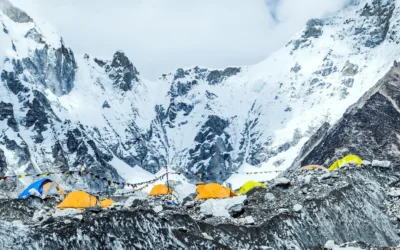
Surrounded by dramatic Himalayan scenery, Everest Base Camp sits near the Khumbu Glacier and below the dangerous Khumbu Icefall. The entire region showcases rugged terrain, glacial valleys, and some of the world’s tallest mountains.
Read More: Where is Everest Base Camp located?
Purpose and History of Everest Base Camp
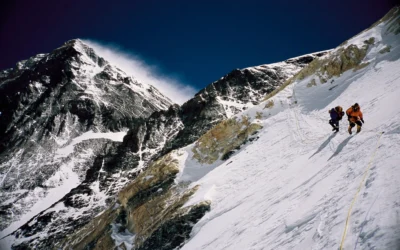
Everest Base Camp exists primarily to support Mount Everest climbing expeditions. Climbers use it as a base for acclimatization, equipment storage, and preparation before ascending to higher camps on the mountain.
Historically, Everest Base Camp played a vital role in early Everest expeditions, including the famous 1953 ascent by Sir Edmund Hillary and Tenzing Norgay. Over time, EBC evolved from a climbers-only zone into a globally recognized trekking destination, attracting thousands of adventurers each year.
Everest Base Camp Trek Overview
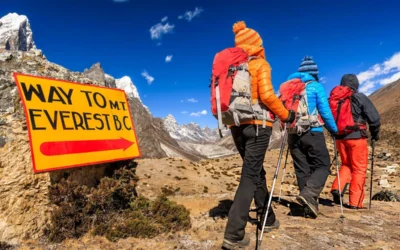
The Everest Base Camp Trek begins with a scenic flight from Kathmandu to Lukla, followed by a multi-day trek through Sherpa villages and alpine landscapes. The standard Everest Base Camp Trek route passes through Namche Bazaar, Tengboche, Dingboche, and Gorakshep before reaching EBC.
The total trekking distance is around 130 kilometers (round trip), and the EBC trek duration ranges from 12 to 16 days. Trekkers stay in local lodges during the journey, enjoying the classic teahouse trekking experience that Nepal is famous for.
Everest Base Camp Altitude and Acclimatization
The Everest Base Camp height makes altitude a major challenge for trekkers. As elevation increases, oxygen levels decrease, raising the risk of altitude sickness. Symptoms may include headaches, nausea, dizziness, and fatigue.
To stay safe during high-altitude trekking, proper acclimatization is essential. Most itineraries include rest days in places like Namche Bazaar and Dingboche, allowing the body to adjust gradually to higher elevations.
Best Time to Visit Everest Base Camp
The best time to trek to Everest Base Camp is during spring (March to May) and autumn (September to November). These seasons offer stable weather, clear skies, and excellent mountain views.
Spring brings blooming rhododendrons and active Everest expeditions, while autumn provides crisp air and panoramic Himalayan scenery. Winter trekking is possible but extremely cold, and the monsoon season brings heavy rain and limited visibility. Choosing the right EBC trekking season greatly enhances the overall experience.
What Trekkers See at Everest Base Camp
The trek rewards visitors with unforgettable natural and cultural sights. Highlights include views of the Khumbu Icefall, towering peaks like Ama Dablam, Lhotse, and Nuptse, and vast Himalayan glaciers.
Trekkers also experience authentic Sherpa culture in villages such as Namche Bazaar and Pangboche. Prayer flags, monasteries, and stone mani walls add spiritual depth to the journey, while the surrounding Himalayan scenery creates a sense of awe at every step.
Who Should Visit Everest Base Camp?
The Everest Base Camp difficulty is considered moderate to challenging. Trekkers do not need technical climbing skills, but they should have good physical fitness and mental determination.
The trek suits active travelers, adventure seekers, and even motivated beginners who prepare properly. Prior hiking experience helps, but consistent training and a positive mindset matter most when trekking to EBC.
Permits and Regulations for Everest Base Camp
Trekkers must obtain specific Everest Base Camp permits before starting the journey. These include the Sagarmatha National Park permit and a local municipality permit for the Khumbu region.
Nepal’s trekking regulations may require guides in certain areas, and hiring a guide or porter enhances safety while supporting the local economy. Following official trekking rules in Nepal ensures a responsible and enjoyable trek.
Why Everest Base Camp Is So Popular
Everest Base Camp’s popularity continues to grow due to its iconic status and emotional appeal. Standing at the foot of Mount Everest offers a sense of achievement unmatched by many trekking destinations.
The combination of adventure, cultural immersion, and breathtaking landscapes makes EBC one of the world’s most celebrated trekking routes. Social media exposure and global travel interest have further strengthened its reputation as a must-visit destination in Nepal.
Read More: Why is Everest Base Camp famous?
Conclusion: What Is Everest Base Camp?
So, what is Everest Base Camp? It is more than just a campsite; it is a symbol of exploration, endurance, and human ambition. Whether you dream of climbing Mount Everest or simply want to experience one of the world’s most iconic treks, Everest Base Camp delivers a life-changing journey through the heart of the Himalayas.
With its rich history, dramatic landscapes, and cultural depth, Everest Base Camp remains a timeless destination for trekkers from around the globe.
Frequently Asked Questions (FAQs)
Can you see Mount Everest from Everest Base Camp?
No, you cannot clearly see the summit of Mount Everest from Everest Base Camp itself. However, you can enjoy excellent views of Mount Everest from nearby viewpoints such as Kala Patthar during the Everest Base Camp Trek.
Is the Everest Base Camp Trek difficult for beginners?
The Everest Base Camp Trek is moderately challenging. Beginners can complete it with proper physical preparation, a slow trekking pace, and good acclimatization to handle high-altitude trekking conditions.
How long does the Everest Base Camp Trek take?
The standard Everest Base Camp Trek duration ranges from 12 to 16 days, depending on the itinerary, acclimatization days, and trekking pace.
What is the altitude of Everest Base Camp?
The Everest Base Camp altitude is 5,364 meters (17,598 feet), making it a high-altitude destination where altitude sickness can be a concern.
Do I need a guide for the Everest Base Camp Trek?
While experienced trekkers may trek independently, hiring a licensed guide improves safety, helps with navigation, and enhances cultural understanding. Guides are also recommended due to local trekking regulations in Nepal.
What permits are required for Everest Base Camp?
Trekkers need a Sagarmatha National Park permit and a local Khumbu municipality permit to trek to Everest Base Camp.
When is the best time to trek to Everest Base Camp?
The best time to trek to Everest Base Camp is during spring (March to May) and autumn (September to November), when weather conditions are stable, and mountain views are clear.
Is altitude sickness common on the Everest Base Camp Trek?
Altitude sickness can affect trekkers if they ascend too quickly. Following proper acclimatization schedules, staying hydrated, and trekking slowly help reduce the risk.