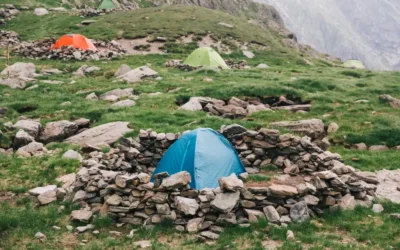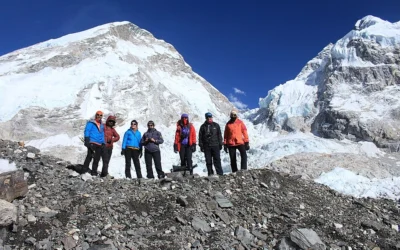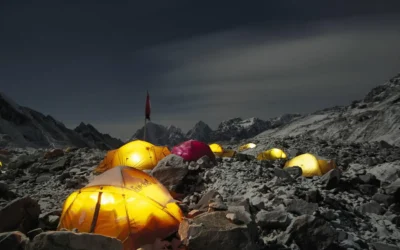
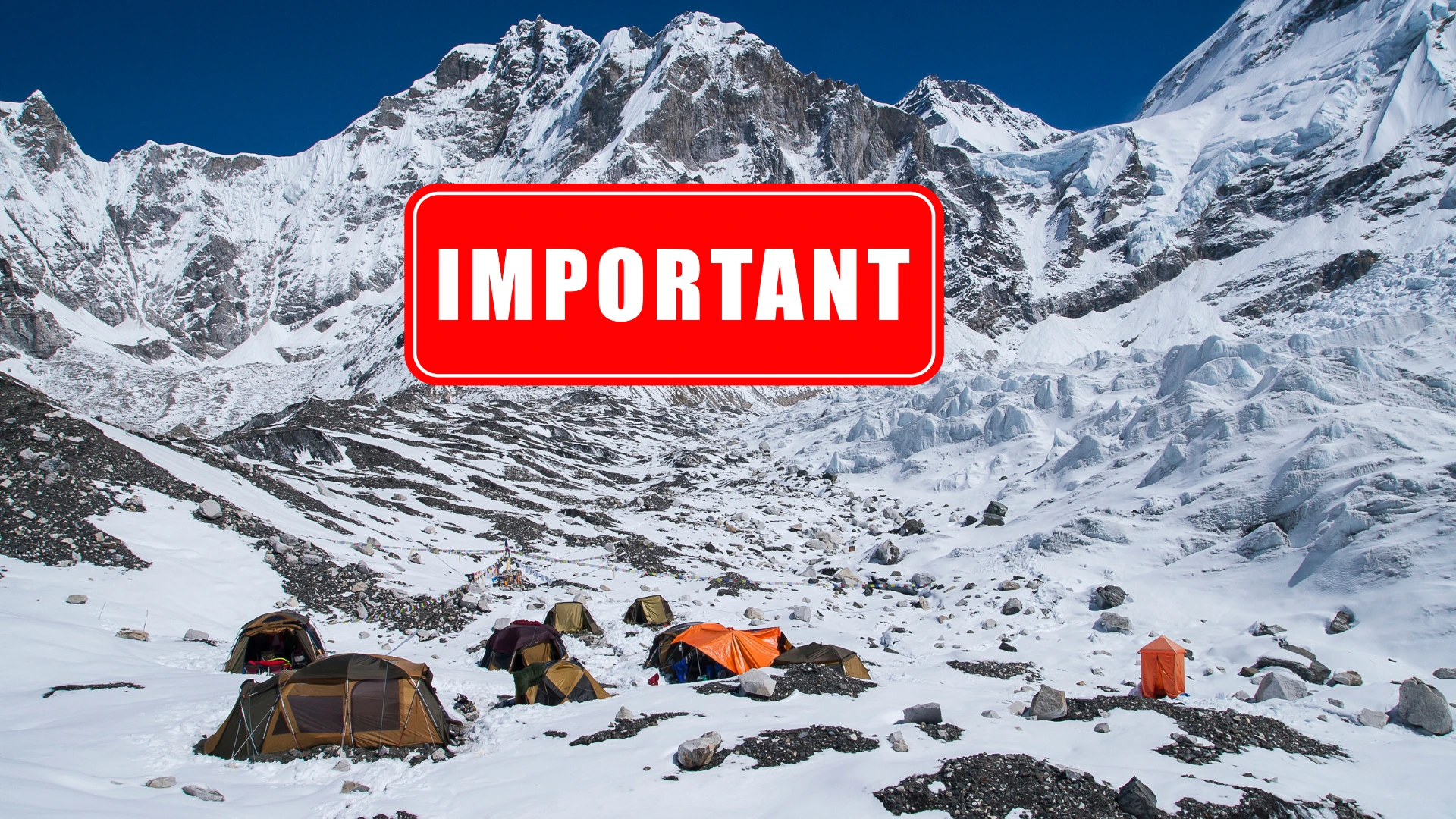
Trekkers are not allowed to stay overnight at Everest Base Camp. Nepal’s Department of Tourism officially banned unauthorized overnight stays in April 2026. Only authorized climbers, licensed guides, and expedition support staff like Sherpas are permitted to sleep at EBC. If you are a regular trekker, your overnight stop is Gorakshep- the last village before base camp.
Table of Contents
New 2026 Rule: What Changed at Everest Base Camp?
Nepal’s government made things very clear in April 2026. The Department of Tourism issued an official notice warning trekking companies and individuals against organizing or selling overnight stay packages at Everest Base Camp.
This wasn’t just a suggestion. The notice specifically mentioned legal action under Rule 9(d) of the Mountaineering Regulations 2059 (2002) for anyone who violates this rule- whether you are a trekking company selling such a package or a traveler participating in one.
Before this strict enforcement, some tour operators were quietly offering “exclusive EBC overnight experiences” as premium packages. Trekkers were paying good money to camp at base camp, thinking it was a once-in-a-lifetime experience. The Nepal government stepped in and put a hard stop to all of that.
Who Is Actually Allowed to Stay at Everest Base Camp?
EBC is not a public camping ground. It is an active operational zone for Everest expeditions. The people allowed to stay there include:
- Authorized climbers who hold an official Everest summit permit
- Licensed mountain guides working with registered expedition teams
- Sherpas and high-altitude porters supporting climbing expeditions
- Registered expedition support staff such as cooks, medical officers, and base camp managers
If you are not part of an official climbing expedition, you simply do not qualify to stay overnight- no matter how experienced a trekker you are.
Why Exactly Can’t Trekkers Stay at Everest Base Camp?
There are three main reasons behind this restriction. All of them make complete sense once you understand what actually happens at base camp.
1. Safety Is a Serious Concern
Everest Base Camp sits at 5,364 meters (17,598 feet) above sea level. That is already a very high altitude, and the conditions there are brutal- freezing temperatures, strong winds, and unpredictable weather that can change within hours.
Climbers who stay at EBC are physically prepared for those conditions. They have proper high-altitude gear, acclimatization schedules, and medical support. Regular trekkers, even experienced ones, are generally not equipped for overnight stays at that altitude. The risk of altitude sickness, hypothermia, and other medical emergencies is very real.
2. It Disrupts Climbing Expeditions
During the climbing season, Everest Base Camp is essentially a small working city. Dozens of expedition teams are using the space to manage their operations- storing equipment, coordinating rotations, running communication systems, and operating medical tents.
When unauthorized people camp at EBC, it creates logistical chaos. It adds pressure on an already limited and fragile space. The government’s decision to restrict unauthorized camping is largely about protecting the smooth operation of legitimate Everest expeditions.
3. Environmental Protection
EBC is located on the Khumbu Glacier, which is a sensitive and slowly degrading natural environment. More people camping means more waste, more pollution, and more pressure on the glacier.
Nepal has been working hard to clean up Everest in recent years. Allowing random overnight camping by trekkers would directly undo that progress.
What Happens If You Stay Overnight Illegally?
The Nepal government is not just making empty warnings. Under Rule 9(d) of the Mountaineering Regulations 2059, both trekking agencies and individual trekkers can face:
- Legal action and fines
- Cancellation of trekking licenses for agencies
- Being blacklisted from future trekking operations in Nepal
If a trekking company offers you an “overnight EBC experience,” that is a red flag. Walk away. It is not worth the legal risk or the safety risk.
Where Do Trekkers Stay Instead?
The good news is that you don’t need to sleep at base camp to have an amazing Everest experience. The standard and recommended overnight stop is Gorakshep.
Gorakshep- Your Base Before Base Camp
Gorakshep is the last village on the Everest Base Camp trail. It sits at 5,164 meters (16,942 feet) and is about a 1.5 to 2-hour walk from EBC. You will find small tea houses and lodges here that offer basic but comfortable accommodation.
The typical plan for most trekkers looks like this:
- Arrive in Gorakshep in the early afternoon
- Rest and acclimatize
- Hike to Everest Base Camp in the afternoon or next morning
- Return to Gorakshep to sleep
- Early morning hike to Kala Patthar for the best panoramic views of Everest
Kala Patthar, at 5,545 meters, actually gives you a better view of Everest than base camp itself. Many trekkers say it is the highlight of the entire trek.
Can You Ever Stay at Everest Base Camp?
Technically, yes- but it requires a lot more than just booking a trekking package.
To legally stay at Everest Base Camp, you need to be part of a registered Everest climbing expedition. That means obtaining an official Everest summit permit, which costs $11,000 USD per person for the spring season. You would also need to be working with a registered expedition company and have all required documentation from the Nepal government.
For the vast majority of people, this is not a realistic option. And honestly, completing the EBC trek itself is a massive achievement that thousands of people call the best experience of their lives- no overnight stay required.
Tips Before You Plan Your Everest Base Camp Trek
A few important things to keep in mind before you book:
- Always book through a registered and licensed trekking agency in Nepal
- Check the latest regulations on the official Nepal Tourism Board website
- If any agency offers you an overnight stay at EBC as part of a package, avoid them
- Make sure your itinerary includes proper acclimatization days at Namche Bazaar and Dingboche
- Travel insurance that covers high-altitude trekking and emergency evacuation is a must
Conclusion
The restriction on overnight stays at Everest Base Camp is not meant to take away from your experience. It is there to keep you safe, protect legitimate climbing expeditions, and preserve one of the most iconic places on earth.
Your trek to EBC is still going to be one of the most rewarding things you ever do. Standing at the base of the world’s highest mountain, surrounded by towering Himalayan peaks- that feeling does not require sleeping there overnight.
Plan smart, follow the rules, and enjoy every step of the journey.
Frequently Asked Questions
Can tourists sleep at Everest Base Camp?
No. As of 2026, only authorized climbers and expedition staff are allowed to sleep at EBC. Regular tourists and trekkers must stay in Gorakshep.
Why can climbers stay but trekkers can’t?
Climbers are part of registered expeditions with proper permits, gear, and medical support. Trekkers do not have the same permits or preparation for overnight stays at that altitude.
Is camping at EBC allowed for trekkers?
No. Any form of unauthorized camping at EBC is now strictly prohibited and can lead to legal consequences.
What is the best place to stay near Everest Base Camp?
Gorakshep is the closest accommodation point for trekkers and offers a great base for visiting EBC and hiking Kala Patthar.