Key Takeaways
- There are four ways to get to Lukla – fixed-wing flight from Kathmandu, fixed-wing flight from Ramechhap (Manthali Airport), helicopter from Kathmandu, and overland trekking from Jiri or Phaplu. Most trekkers fly.
- In peak season 2026, almost all Lukla flights depart from Ramechhap, not Kathmandu – this means a 4 to 5 hour overnight drive from Kathmandu before an early morning flight. This is not optional. Plan for it.
- A one-way fixed-wing flight costs USD 178 to 228 per person depending on the departure point and season. Helicopters cost USD 400 to 500 per person on a shared basis.
- Book your Lukla flight at least 30 days in advance during peak season – seats fill up weeks ahead in October and November. Weather delays are common and can add one to three unexpected days to your plans.
Table of Contents
How do you get to Lukla? It is the first question every trekker heading to the Everest region asks – and the answer is more layered than most people expect.
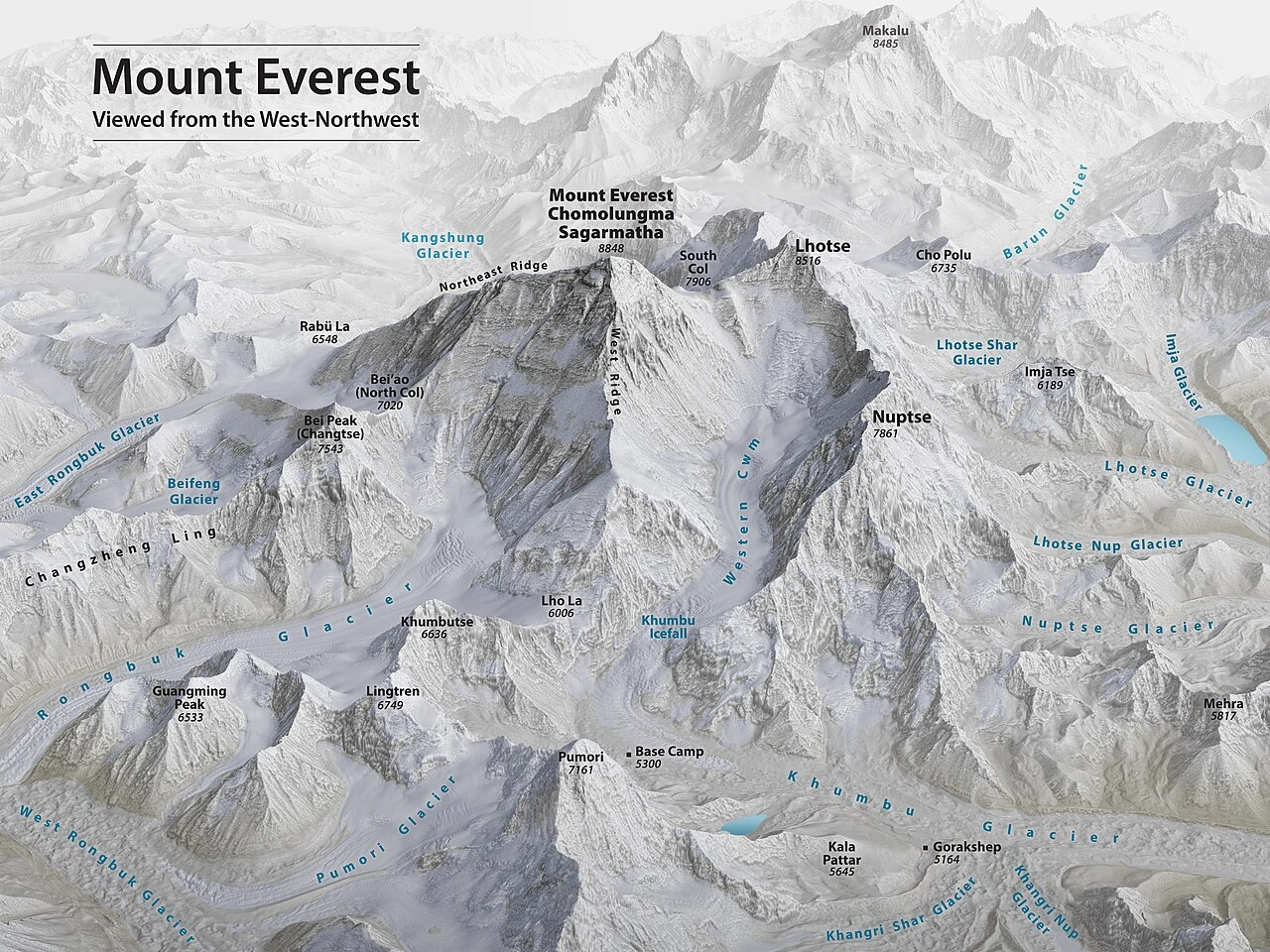
Lukla is the gateway to the Khumbu region of Nepal. It is where the Everest Base Camp trek begins, where the trail to Gokyo Lakes starts, and where most expeditions into the high Himalaya pass through. Every year, tens of thousands of trekkers land at Tenzing Hillary Airport – one of the shortest, steepest, and most dramatically positioned airport runways on earth.
Getting there is an adventure before the trek even starts. There is no road connecting Kathmandu to Lukla. There is no bus, no train, and no highway that takes you to the door. The only practical options are to fly in or walk in – and most trekkers fly. But even flying is not straightforward. The route, the departure airport, the weather window, the airline, the season – all of it matters more here than on any other domestic flight in Nepal.
This guide answers the question of how do you get to Lukla with everything you actually need to know for 2026 – every route option, current costs, seasonal changes, booking advice, and what to do when the weather does not cooperate.
Where Exactly is Lukla?
Lukla sits at 2,860 meters above sea level in the Solukhumbu District of northeastern Nepal, approximately 138 kilometers east of Kathmandu in a straight line. That distance looks manageable on a map. On the ground, it is separated from the capital by deeply cut river valleys, steep ridgelines, and no paved road connection whatsoever.
Tenzing Hillary Airport – named after Sir Edmund Hillary and Tenzing Norgay Sherpa – has a runway of just 527 meters with a 12 percent uphill slope. Planes land going uphill to slow down and take off going downhill to build speed. The approach requires threading through a narrow mountain valley. At the end of the runway on one side is a mountain wall. On the other side is a steep drop into the valley below.
Only specially trained pilots flying STOL (Short Takeoff and Landing) aircraft are certified to operate here. Understanding the airport explains why getting to Lukla requires more planning than any other domestic flight in Nepal – and why weather, timing, and advance booking matter so much.
If you are researching how to get to Everest Base Camp, understanding how to get to Lukla first is the essential first step – because Lukla is where every Everest region trek begins.
Option 1: Fixed-Wing Flight from Kathmandu to Lukla
The direct flight from Kathmandu’s Tribhuvan International Airport to Lukla is the route most trekkers picture when they think about getting to Lukla. The flight takes 25 to 35 minutes. The aerial views of the Kathmandu Valley and the Himalayan foothills are genuinely spectacular, and the landing at Lukla is an experience in itself.
Airlines operating this route: Tara Air, Summit Air, and Sita Air. All three use twin-engine STOL aircraft – Twin Otter DHC-6, Dornier DO-228, or LET-410 – carrying between 14 and 19 passengers per flight.
One-way flight cost from Kathmandu to Lukla: USD 215 to 228 per person for foreign nationals in 2026. Nepali citizens pay approximately NPR 10,500 to 12,000.
Flight schedule: Flights depart early morning between 6:15 AM and 10:30 AM. All Lukla flights operate in the morning only. Weather deteriorates in the afternoon – cloud cover, wind, and reduced visibility make afternoon flights unsafe and they are not scheduled.
The Critical Point Most Trekkers Miss
Here is what many travel blogs fail to explain clearly: during peak trekking season in 2026, flights to Lukla from Kathmandu are largely suspended. Nepal’s Civil Aviation Authority diverts almost all Lukla traffic to Ramechhap (Manthali Airport) during the spring season from March 15 to May 15 and the autumn season from September 25 to November 30.
The reason is straightforward. Tribhuvan International Airport in Kathmandu handles both international and domestic traffic on a single runway. During peak trekking season, the volume of Lukla flights overwhelms the available morning departure window. Moving flights to Ramechhap – a quieter airport with no international traffic – solves the congestion problem and significantly reduces delays and cancellations.
What this means for you: If you are trekking to Everest Base Camp, Gokyo Lakes, or anywhere else in the Khumbu region during peak season, you almost certainly need to fly from Ramechhap, not Kathmandu. Plan your itinerary around this from the beginning.
Option 2: Fixed-Wing Flight from Ramechhap (Manthali Airport) to Lukla
For most trekkers visiting the Everest region during peak season in 2026, the Ramechhap to Lukla flight is the standard route. It is shorter in the air, more reliable in terms of schedule, and operates with fewer delays than the Kathmandu route during busy periods.
Flight duration from Ramechhap to Lukla: 15 to 20 minutes – significantly shorter than the Kathmandu route.
One-way flight cost from Ramechhap to Lukla: USD 177 to 210 per person for foreign nationals in 2026.
Airlines: Tara Air, Summit Air, and Sita Air operate this route with the same STOL aircraft used on the Kathmandu route.
The Ramechhap Drive: What to Expect
Ramechhap is located approximately 132 to 145 kilometers from Kathmandu by road – a journey that takes 4 to 5 hours depending on traffic and road conditions. The road passes through the BP Highway and Mid Hill Highway route into the Tamakoshi River Valley.
Here is the part that surprises many first-time trekkers: to catch an early morning flight from Ramechhap, you need to leave Kathmandu at 1:00 AM to 2:00 AM. Trekking agencies and flight booking services typically arrange vehicle departures from Thamel at 1:30 AM, arriving in Ramechhap just in time for the first morning departures.
Practical logistics for the Ramechhap route:
- Book your Kathmandu to Ramechhap vehicle transfer in advance through your trekking agency – do not assume this is automatically included in flight packages
- Carry snacks and water for the overnight drive – facilities along the road at 2 AM are limited
- Ramechhap Airport itself has minimal amenities – no proper restaurant, limited seating, basic toilet facilities. Come prepared.
- Arrive at Ramechhap Airport at least 1 hour before your scheduled departure for check-in and security
Despite the inconvenience of the overnight drive, the Ramechhap route is genuinely more reliable than Kathmandu during peak season. Fewer flights, less congestion, and a shorter approach to Lukla mean a higher chance of departing on time.
Option 3: Helicopter from Kathmandu to Lukla
The helicopter option answers how you get to Lukla when time is critical, when fixed-wing flights have been repeatedly cancelled, or when budget is not the primary concern.
Flight duration by helicopter: Approximately 45 to 60 minutes from Kathmandu to Lukla – longer than fixed-wing flights because helicopters fly at lower speeds, but they have more flexibility in weather and do not require the same visibility minimums as fixed-wing aircraft.
Cost:
- Shared helicopter (group of 4 to 5 passengers): USD 400 to 500 per person one way
- Private helicopter charter: USD 2,500 to 3,000 one way for the whole aircraft
When helicopter makes sense:
- Your fixed-wing flights have been cancelled for two or more consecutive days due to weather
- You have a tight international connection in Kathmandu and cannot afford more delay
- You are part of a small group willing to split the cost of a private charter
- You have a medical situation requiring faster access to lower altitude (helicopter also works in reverse for evacuation)
Helicopters are not immune to weather. They too cannot operate in zero visibility, high winds, or heavy clouds. But their operational window is slightly wider than fixed-wing aircraft, which is why stranded trekkers often turn to helicopter options after multiple days of fixed-wing cancellations.
Several Kathmandu-based operators offer last-minute helicopter seats for stranded trekkers. If you are stuck in Lukla or Ramechhap due to weather delays, contact your trekking agency immediately – they can often arrange helicopter upgrades faster than booking independently.
Option 4: Overland Trek to Lukla – Jiri or Phaplu Routes
Before the Lukla airport opened in 1964, every expedition heading to Everest walked in from the lowlands. That overland route still exists – and a small number of trekkers choose it every year, either for the experience or because they want to acclimatize more gradually than flying allows.
The Jiri Route
The Jiri to Lukla trek is the classic overland approach – the same path Sir Edmund Hillary and Tenzing Norgay’s 1953 expedition followed from the roadhead. It takes 8 to 10 days of trekking from Jiri (1,905m) to Lukla, crossing multiple ridges and river valleys through relatively remote and culturally rich Sherpa and Rai villages.
Jiri is accessible by bus from Kathmandu – a 7 to 8 hour journey on a road that has improved significantly in recent years. From Jiri, the trek climbs through Solu Khumbu, passing through Salleri, Junbesi, Phaplu, and Bupsa before reaching Lukla.
Who should consider the Jiri route:
- Trekkers with 10 to 14 extra days in their Nepal itinerary
- Those who want maximum acclimatization before reaching the Khumbu
- Trekkers interested in experiencing rural Nepal off the main Everest trail
- Anyone on a very tight budget for whom flight costs are a significant factor
The Phaplu Route
Phaplu (2,413m) has a small airstrip with occasional flights from Kathmandu, making it a middle-ground option between flying directly to Lukla and walking all the way from Jiri. The Phaplu to Lukla trek takes approximately 3 to 4 days.
Phaplu flights are less frequent and harder to book than Lukla flights, and they are subject to similar weather delays. But for trekkers who want some acclimatization advantage without committing to the full 10-day Jiri walk, Phaplu is worth considering.
Flight Cost Comparison 2026
| Route | Duration | One-Way Cost (Foreign National) | Best For |
| Kathmandu to Lukla (fixed-wing) | 25–35 min | USD 215–228 | Off-season travel (Dec–Feb, Jun–Sep) |
| Ramechhap to Lukla (fixed-wing) | 15–20 min | USD 177–210 | Peak season (Mar–May, Oct–Nov) |
| Kathmandu to Lukla (helicopter, shared) | 45–60 min | USD 400–500 | Weather delays, tight schedules |
| Kathmandu to Lukla (helicopter, private) | 45–60 min | USD 2,500–3,000 (whole aircraft) | Groups, medical, luxury |
| Jiri overland trek | 8–10 days walking | USD 10–15/day (food and lodge) | Budget, acclimatization |
When to Book Your Lukla Flight
The single most common mistake trekkers make is leaving Lukla flight booking too late. Here is what the booking timeline actually looks like in 2026:
Peak autumn season (October to November): Book 30 to 45 days in advance. October is the busiest month of the year. Seats on Tara Air, Summit Air, and Sita Air are routinely sold out 3 to 4 weeks before departure. Do not book your international flights to Kathmandu without a confirmed Lukla flight already in hand.
Peak spring season (March to May): Book 20 to 30 days in advance. Slightly more availability than autumn, but the rhododendron season in late March and April fills up fast.
Off-season (December to February, June to September): More availability, but weather delays are significantly more frequent. Winter brings snowfall and clouds that can ground flights for multiple consecutive days. Monsoon season (June to September) brings poor visibility. Budget extra days in your itinerary.
Practical booking advice:
- Book directly through a registered Nepali trekking agency or directly with airlines (Tara Air, Summit Air, Sita Air)
- Confirm whether your flight departs from Kathmandu or Ramechhap – this determines your entire day-before logistics
- Always book a return Lukla flight at the same time as your outbound flight – return seats during peak season are just as competitive
- Get travel insurance that covers flight cancellation and helicopter evacuation before you book anything else
What Happens When Your Lukla Flight is Cancelled
Weather cancellations are part of trekking in the Everest region. Every experienced trekker in the Khumbu has a cancellation story. Here is how to handle it:
Build buffer days into your itinerary. A minimum of one buffer day on the front end (before your trek starts) and one on the back end (before your international departure) is the practical minimum. Two buffer days on each end is better for peak season travel.
Contact your trekking agency immediately. They have direct relationships with airline staff and can get you on the next available flight faster than you can manage independently. This is one of the concrete advantages of booking through a registered agency rather than arranging everything solo.
Consider helicopter upgrades. If your fixed-wing flight has been cancelled for two consecutive days and your schedule is tight, helicopter upgrade is usually the fastest solution. Your trekking agency can arrange this, often within a few hours of the decision.
Do not panic on day one. Morning weather at Lukla is unpredictable, and what looks like a closed airport at 7 AM can open by 9 AM. Wait for official cancellation confirmation before changing plans.
Conclusion: How Do You Get to Lukla in 2026?
The honest answer to how do you get to Lukla in 2026 is this: you plan further ahead than you think you need to, you account for the Ramechhap route during peak season, and you build weather buffer days into your itinerary from day one.
For most trekkers, the journey to Lukla looks like this – an overnight vehicle departure from Kathmandu to Ramechhap, a short but spectacular 20-minute mountain flight at sunrise, and the first sight of Lukla’s famous downhill runway coming up to meet you through the cockpit window. It is one of the most memorable arrivals in all of trekking.
The Everest region – Everest Base Camp, Kala Patthar, Gokyo Lakes, the Three Passes is worth every logistical challenge of getting to Lukla. Book early, plan for weather, and get your permits ready. The trail starts the moment you land.
Frequently Asked Questions
How do you get to Lukla from Kathmandu in peak season 2026?
In peak season 2026 – spring from March 15 to May 15 and autumn from September 25 to November 30 – almost all flights to Lukla depart from Ramechhap (Manthali Airport), not Kathmandu. You drive from Kathmandu to Ramechhap overnight (departing around 1:30 AM, arriving 5 to 6 AM) and then take a 15 to 20 minute flight to Lukla. The flight cost is USD 177 to 210 per person one way.
How long does it take to get to Lukla?
By fixed-wing flight from Kathmandu: 25 to 35 minutes in the air. By fixed-wing from Ramechhap: 15 to 20 minutes in the air, plus the 4 to 5 hour overnight drive from Kathmandu. By helicopter from Kathmandu: 45 to 60 minutes. By overland trek from Jiri: 8 to 10 days walking. Most trekkers spend the better part of a full travel day getting to Lukla when you account for airport transfers, check-in time, and the drive to Ramechhap during peak season.
Is the flight to Lukla safe?
Lukla flights have a strong safety record when operated by licensed airlines under proper conditions. All three operating airlines – Tara Air, Summit Air, and Sita Air – follow strict maintenance and pilot certification requirements set by Nepal’s Civil Aviation Authority. Flights are cancelled when conditions are below safety minimums. The drama of Tenzing Hillary Airport is real, but the airlines that operate there have decades of experience doing so.
What documents do I need for a Lukla flight?
Foreign nationals need a valid passport. Passport details are required at ticket booking and check-in. Keep your passport accessible throughout the airport process. Nepali citizens need a government-issued photo ID.
Can I get to Everest Base Camp without flying to Lukla?
Yes. The overland route from Jiri takes 8 to 10 days to reach Lukla and an additional 8 to 9 days to reach Everest Base Camp from there. Most trekkers fly to Lukla to save time, but the Jiri route offers better acclimatization and a more complete Himalayan trekking experience for those with the schedule to do it.
How much does it cost to get to Lukla in 2026?
A one-way fixed-wing flight from Ramechhap costs USD 177 to 210. From Kathmandu, it costs USD 215 to 228. A shared helicopter seat costs USD 400 to 500. Add USD 30 to 50 for Kathmandu to Ramechhap vehicle transfer during peak season. Budget a minimum of USD 220 to 260 for the total journey to Lukla including transport in 2026.