Key Takeaways
- Lukla is the primary starting point for the Everest Base Camp trek, offering the shortest route, well-established trails, and convenient flights from Kathmandu.
- Alternative starting points like Jiri, Ramechhap, and Salleri provide longer, less crowded, and more scenic trekking experiences for those with extra time and adventure spirit.
- Choosing the starting point depends on your time, budget, experience level, and preference for crowds or remote trails.
- Preparation is essential: secure permits, plan acclimatization days, and arrange flights or transport to the chosen starting location.
Table of Contents
The Everest Base Camp (EBC) trek is one of the most iconic trekking experiences in the world. Every year, thousands of adventurers dream of standing at the foot of the world’s highest mountain. If you are planning your journey, the first question that comes to mind is: “Where does the Everest Base Camp trek start?”
This guide will answer that question in detail, explain all possible starting points, and help you plan your trek efficiently.
Overview of the Everest Base Camp Trek
The Everest Base Camp trek spans approximately 130 km (round trip) and usually takes 12–16 days depending on your pace. The trek combines adventure, culture, and breathtaking Himalayan scenery.
Knowing the EBC trek start location is essential for planning your flights, accommodation, permits, and gear. Most trekkers start from the famous Lukla route, but there are alternative starting points worth considering.
Main Starting Point: Lukla
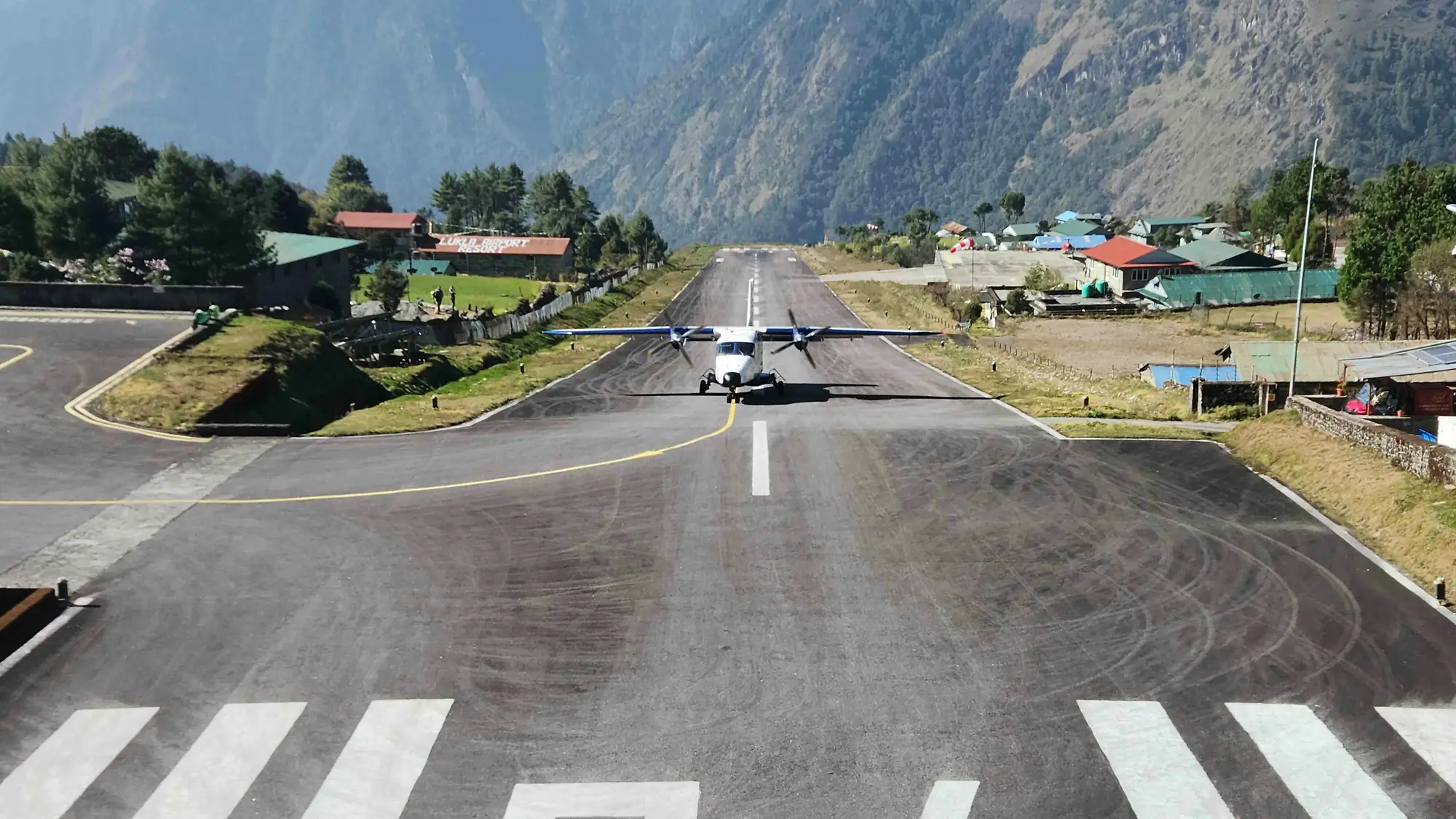
The most popular Everest Base Camp trek starting point is Lukla, a small town in the Khumbu region. Most trekkers fly from Kathmandu to Lukla, a short but thrilling flight over the Himalayan mountains.
Why Lukla?
- Shortest route to EBC: The trek from Lukla usually takes 12–14 days.
- Well-established trail: Trekkers find lodges, tea houses, and guides easily.
- Spectacular scenery: The route passes through Sherpa villages, monasteries, and rhododendron forests.
Tips for flying to Lukla:
- Book your flight in advance, especially during peak seasons (March–May, September–November).
- Prepare for possible delays due to weather.
- Carry only essential gear for the trek.
Alternative Starting Points
If you want a longer trek with fewer crowds, you can consider alternative starting points:
1. Jiri
Jiri was the traditional starting point before Lukla airport opened. The trek from Jiri to EBC takes 19–21 days, giving you a chance to gradually acclimatize. The trail offers scenic forests, rivers, and remote villages.
2. Ramechhap
The Ramechhap to EBC trek is a new alternative. You can fly from Kathmandu to Ramechhap, then trek to Lukla before continuing to EBC. This route is less crowded and often more budget-friendly than flying directly to Lukla.
3. Salleri
Salleri is another alternative starting point. The trek from Salleri is longer but rewards you with beautiful landscapes and fewer tourists.
Compare the routes:
- Lukla: Shortest, convenient, crowded.
- Jiri: Traditional, scenic, long.
- Ramechhap: Budget-friendly, less crowded, moderate.
- Salleri: Remote, scenic, longer trek.
Factors to Consider Before Choosing a Starting Point
Choosing your Everest Base Camp starting point depends on:
- Time: Short on time? Start from Lukla. Have extra days? Try Jiri or Salleri.
- Budget: Flights to Lukla are expensive. Ramechhap is cheaper.
- Experience: Beginners often prefer Lukla. Experienced trekkers may enjoy Jiri or Salleri.
- Scenery and crowd levels: For fewer trekkers and more remote trails, consider alternative routes.
Typical Itinerary Starting from Lukla
Here’s a day-wise breakdown of the trek from Lukla to EBC:
- Day 1: Fly Kathmandu → Lukla, trek to Phakding
- Day 2: Phakding → Namche Bazaar (altitude 3,440 m)
- Day 3: Acclimatization in Namche Bazaar
- Day 4: Namche Bazaar → Tengboche (monasteries and views)
- Day 5: Tengboche → Dingboche (high-altitude trekking)
- Day 6: Acclimatization in Dingboche
- Day 7: Dingboche → Lobuche
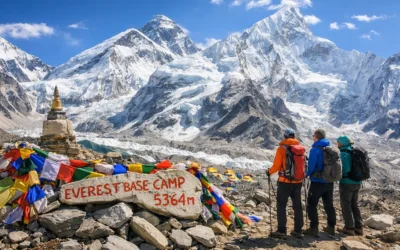
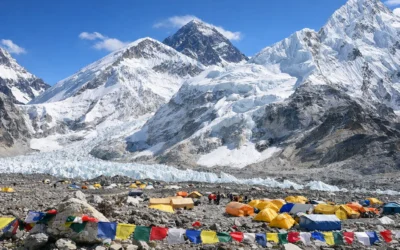
- Day 8: Lobuche → Gorak Shep → Everest Base Camp (5,364 m)
- Day 9: Explore Kala Patthar for the sunrise view of Everest
- Days 10–12: Return trek to Lukla
Tips:
- Take rest days for acclimatization.
- Stay hydrated and avoid alcohol.
- Hire a guide if you’re unfamiliar with the trail.
Travel Tips for Reaching the Starting Point
Flights from Kathmandu to Lukla:
- Operate daily, but weather may cause delays.
- Book early in peak seasons.
Transport to alternative starting points:
- Buses and private jeeps are available to Jiri, Ramechhap, and Salleri.
Permits:
- You need a TIMS card and a Sagarmatha National Park entry permit.
- Obtain permits in Kathmandu before the trek.
Conclusion
The Everest Base Camp trek start depends on your time, budget, and trekking experience. Lukla remains the most popular option, while Jiri, Ramechhap, and Salleri offer longer, less crowded alternatives.
Plan carefully, choose the starting point that suits you best, and prepare for one of the most unforgettable adventures of your life.
Frequently Asked Questions
Can I start the trek directly from Kathmandu?
No, there is no direct trail from Kathmandu. Trekkers must first reach Lukla, Jiri, Ramechhap, or Salleri to begin the Everest Base Camp trek.
How long does it take to reach Everest Base Camp from Lukla?
The trek from Lukla to EBC typically takes 8–10 days one-way, depending on your pace and acclimatization schedule. A full round trip usually takes 12–16 days.
Which starting point is best for beginners?
Lukla is the easiest and safest starting point for first-time trekkers. Alternative routes like Jiri or Ramechhap are longer and more challenging.
What permits do I need to start the trek?
You need a TIMS card (Trekkers’ Information Management System) and a Sagarmatha National Park entry permit, which can be obtained in Kathmandu before starting your trek.
What factors should I consider when choosing a starting point?
Consider time availability, budget, trekking experience, crowd levels, and scenic preferences. Lukla is the shortest and convenient, while Jiri, Ramechhap, or Salleri offer longer, scenic, and less crowded routes.
Are there flights to all starting points?
Flights are available to Lukla and Ramechhap, but Jiri and Salleri require overland travel by bus or jeep from Kathmandu before joining the trekking trail.