Reaching Everest Base Camp is a dream for many adventure lovers. The journey takes you through beautiful Sherpa villages, quiet mountain trails, suspension bridges, ancient monasteries, and some of the world’s most impressive Himalayan scenery. However, before starting this adventure, one important question comes to mind: how many days does the Everest Base Camp Trek take?
The standard Everest Base Camp (EBC) Trek usually takes 12 to 15 days of trekking, depending on your route, walking pace, and acclimatisation schedule. However, you should allow around 14 to 16 days for the complete trip from Kathmandu and back. This gives you time for flights, rest, and possible weather delays.
The trek is not simply about reaching a famous destination. It is also about allowing your body to adjust to high altitude and enjoying the experience safely. With a suitable itinerary and good preparation, even first-time Himalayan trekkers can take on this rewarding adventure.
In this guide, you will learn how long the Everest Base Camp Trek takes, what happens each day, how many hours you walk, and how to choose the right itinerary for your journey.
How Many Days Does the Everest Base Camp Trek Take?
The Everest Base Camp Trek generally takes 12 to 15 days, including the journey from Lukla to Everest Base Camp and the return walk to Lukla.
Most standard itineraries start with a flight from Kathmandu to Lukla. From there, trekkers follow the famous Everest trail through Phakding, Namche Bazaar, Tengboche, Dingboche, and Lobuche before reaching Everest Base Camp.
The total trip length depends on several factors:
- Your starting and ending points.
- The number of acclimatisation days.
- Your walking speed and fitness level.
- Weather conditions and Lukla flight schedules.
- Whether you include extra viewpoints or side trips.
- Whether you walk back to Lukla or return by helicopter.
Here is a simple overview of the time you may need.
| Trekking plan | Approximate duration |
| Standard EBC Trek | 12–14 days |
| Complete trip from Kathmandu | 14–16 days |
| Longer and relaxed itinerary | 16–18 days |
| Short helicopter-assisted trip | 8–11 days |
These are planning estimates rather than fixed schedules. Your actual journey may take longer if weather or trail conditions change.
Everest Base Camp Trek Itinerary: Day-by-Day Breakdown
Understanding the daily route helps you see why the trek takes nearly two weeks. Each day brings a different landscape, walking challenge, and opportunity to experience local mountain life.
The following is an example of a 12-day trekking itinerary from Lukla and back. Some operators use a 13 or 14-day plan to provide more flexibility.
Day 1: Lukla to Phakding
Approximate walking time: 3–4 hours
Your adventure begins with a scenic flight from Kathmandu or Ramechhap to Lukla, depending on the flight schedule. After arriving at Lukla, you meet your trekking team and begin walking towards Phakding.
The trail passes through small Sherpa settlements, green hills, and beautiful mountain scenery. You will also cross suspension bridges over the Dudh Koshi River.
Phakding is a peaceful village where you spend your first night in the Khumbu region.
Day 2: Phakding to Namche Bazaar
Approximate walking time: 5–7 hours
This is one of the more challenging early sections of the trek. You follow the Dudh Koshi River, cross several suspension bridges, and walk through forests and small villages.
The trail gradually becomes steeper as you approach Namche Bazaar. After crossing the famous Hillary Suspension Bridge, you begin a demanding uphill climb.
Namche Bazaar sits at approximately 3,440 metres and is the main trading centre of the Khumbu region. It offers mountain views, small shops, bakeries, restaurants, and comfortable teahouses.
Day 3: Acclimatisation Day in Namche Bazaar
Approximate activity time: 2–4 hours
You spend another night in Namche Bazaar to help your body adjust to the increasing altitude.
Instead of remaining completely inactive, you can take a short acclimatisation walk towards the Everest View Hotel or nearby viewpoints. These walks allow you to climb higher before returning to Namche to sleep.
You can also explore the village, visit local museums, and learn about Sherpa culture.
Day 4: Namche Bazaar to Tengboche
Approximate walking time: 5–6 hours
After breakfast, you continue along a scenic trail with beautiful views of Everest, Lhotse, and Ama Dablam.
The route initially follows a relatively gentle path before descending towards the river at Phunki Tenga. From there, you climb through forests towards Tengboche.
Tengboche is famous for its historic Buddhist monastery and peaceful mountain surroundings. It is one of the most memorable stops along the Everest trail.
Day 5: Tengboche to Dingboche
Approximate walking time: 5–6 hours
The trail continues through beautiful mountain landscapes, passing Pangboche village and traditional stone houses.
As you gain altitude, the trees become fewer, and the landscape changes into open alpine terrain. You will notice the air becoming thinner as you approach Dingboche, which sits at approximately 4,410 metres.
Dingboche is an important resting point before continuing towards higher sections of the Everest region.
Day 6: Acclimatisation Day in Dingboche
Approximate activity time: 2–4 hours
Another acclimatisation day helps your body prepare for the higher elevations ahead.
Many trekkers take a gradual uphill walk towards Nagarjun Hill before returning to Dingboche. The viewpoint offers impressive views of the surrounding mountains.
Remember to walk slowly, drink enough water, eat properly, and follow your guide’s advice.
Day 7: Dingboche to Lobuche
Approximate walking time: 5–6 hours
You leave Dingboche and follow a trail towards Dughla. The route gradually climbs across open mountain terrain.
One important stop is the Thukla Pass memorial area, where stone monuments honour climbers and Sherpas who lost their lives on Himalayan expeditions.
After this stop, the trail continues towards Lobuche at approximately 4,940 metres.
At this elevation, walking becomes more demanding because there is less oxygen in the air.
Day 8: Lobuche to Everest Base Camp and Gorak Shep
Approximate walking time: 7–9 hours
This is one of the most exciting and demanding days of the entire journey.
You walk from Lobuche towards Gorak Shep, a small settlement near Everest Base Camp. After leaving your main belongings at your accommodation, you continue towards Everest Base Camp.
The trail passes across rocky and glacial terrain, with incredible views of the Khumbu Glacier and surrounding peaks.
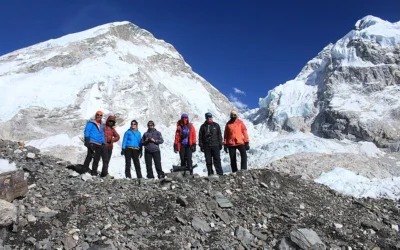
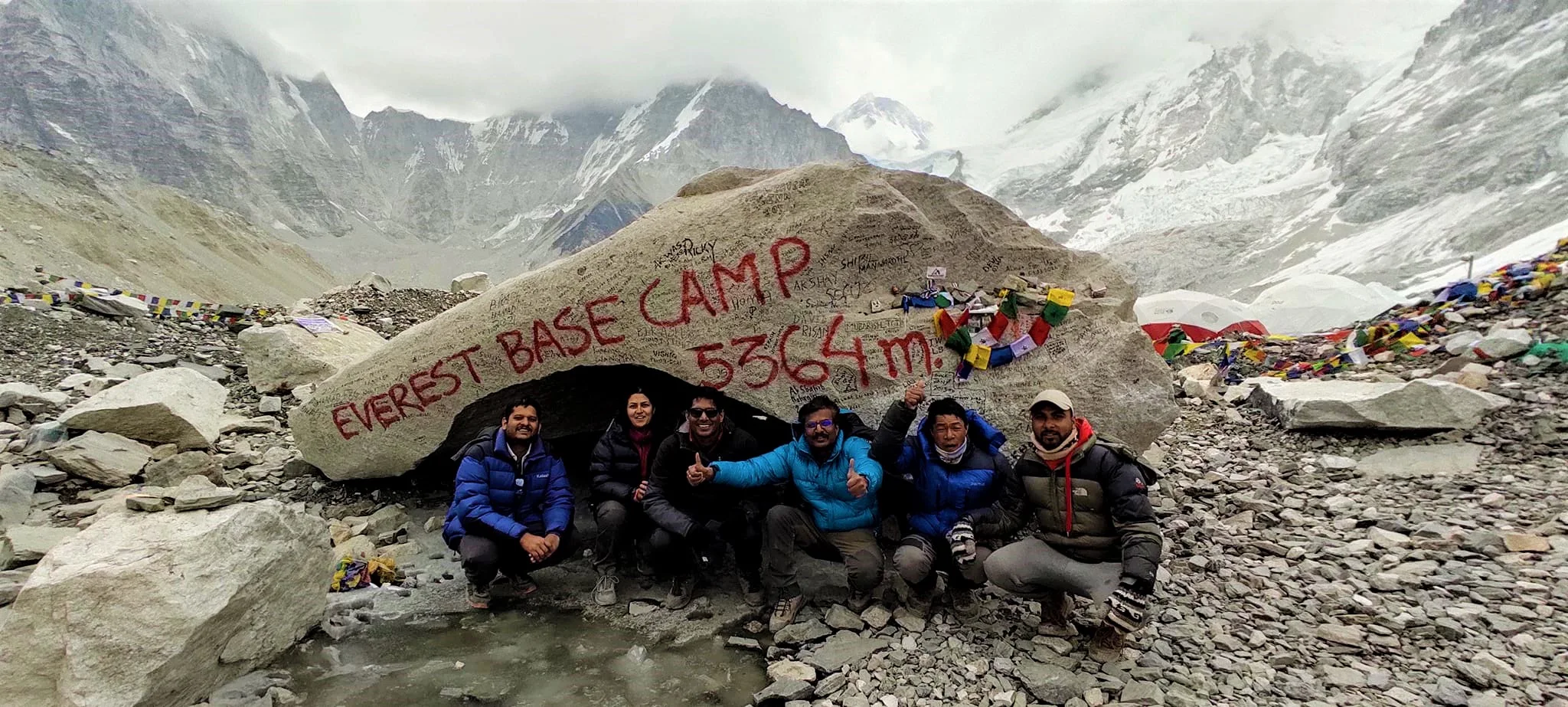
Finally, you reach Everest Base Camp at approximately 5,364 metres. You can enjoy the atmosphere, take photographs, and celebrate reaching your destination.
After spending some time at Base Camp, you return to Gorak Shep for the night.
Day 9: Gorak Shep to Kala Patthar and Pheriche
Approximate walking time: 6–8 hours
Many trekkers wake early to climb Kala Patthar, which offers one of the best panoramic views of Mount Everest.
The viewpoint reaches approximately 5,545 metres. From here, you can see Everest and several surrounding Himalayan peaks.
After enjoying the mountain scenery, you descend towards Gorak Shep and continue down to Pheriche.
Although walking downhill is generally easier on the lungs, it can still be tiring for your knees and legs.
Day 10–12: Return Journey to Lukla
Approximate walking time: 4–7 hours per day
The return journey follows the same general trail through the Khumbu region.
Depending on your itinerary, you usually walk through places such as:
- Pheriche or Dingboche.
- Namche Bazaar.
- Phakding.
- Lukla.
The downhill journey is often quicker than the uphill walk, but you should still maintain a comfortable pace.
After reaching Lukla, you prepare for your return flight to Kathmandu or your scheduled onward destination.
How Many Hours Do You Walk Each Day on the EBC Trek?
The number of walking hours changes throughout the journey. Some days involve short walks, while others require several hours of steady climbing or descending.
On average, you can expect to walk around 4 to 7 hours per day. The days between Lobuche, Gorak Shep, and Everest Base Camp can take longer.
Here is an approximate daily walking guide:
| Trekking section | Walking time |
| Lukla to Phakding | 3–4 hours |
| Phakding to Namche Bazaar | 5–7 hours |
| Namche acclimatisation | 2–4 hours |
| Namche to Tengboche | 5–6 hours |
| Tengboche to Dingboche | 5–6 hours |
| Dingboche acclimatisation | 2–4 hours |
| Dingboche to Lobuche | 5–6 hours |
| Lobuche to Everest Base Camp | 7–9 hours |
| Gorak Shep to Kala Patthar and descent | 6–8 hours |
These times are estimates. Your walking speed, weather, trail conditions, and rest breaks can change the total time.
You do not need to walk quickly to complete the trek. A steady pace with regular breaks is often more helpful than trying to reach each destination early.
What Factors Affect the Everest Base Camp Trek Duration?
Not every trekker completes the Everest Base Camp journey in the same number of days. Several things can affect your schedule.
1. Physical Fitness and Walking Speed
Your fitness level plays an important role in your trekking experience. People who regularly walk, hike, or exercise may find some sections easier.
However, being physically strong does not mean you can ignore altitude. Even experienced hikers can feel tired when walking above 4,000 metres.
If you are new to trekking, allow enough time for breaks and recovery.
2. Acclimatisation and Altitude
Altitude is one of the biggest reasons the EBC Trek takes nearly two weeks.
As you climb higher, the amount of available oxygen decreases. Your body needs time to adjust to these conditions.
Most standard itineraries include acclimatisation days in Namche Bazaar and Dingboche. Removing these days simply to finish earlier is not a good idea.
3. Weather and Lukla Flight Delays
Flights to Lukla depend heavily on mountain weather. Fog, strong winds, and poor visibility can cause delays or cancellations.
Sometimes, trekkers need to wait an extra day before flying.
This is why you should avoid booking your international flight immediately after your planned return from Lukla. Keep some extra time in your travel schedule.
4. Your Chosen Trekking Route
The classic Everest Base Camp route is the most popular option. However, some trekkers choose additional destinations such as Gokyo Lakes or the Three Passes.
These routes involve extra walking, higher mountain passes, and more time.
If you want a longer Himalayan adventure, discuss the route with your trekking company before booking.
5. Rest Days and Personal Comfort
Some people need more time to recover after long walking days. Others may want extra time to explore villages, visit monasteries, or enjoy mountain views.
There is nothing wrong with adding an extra day. Your trekking experience should be enjoyable rather than a race against the calendar.
Why Are Acclimatisation Days Important on the EBC Trek?
Acclimatisation means allowing your body to adjust to lower oxygen levels at higher elevations.
It is an essential part of planning a safe Everest Base Camp journey.
As you move from Lukla towards Everest Base Camp, you gradually reach higher elevations. The difference between walking at 2,800 metres and 5,000 metres can be significant.
Without proper adjustment, you may experience altitude sickness.
Common symptoms include:
- Headaches
- Nausea or vomiting
- Dizziness
- Loss of appetite
- Unusual tiredness
- Difficulty sleeping
Two important acclimatisation stops are included in most standard itineraries.
Namche Bazaar: You spend an extra night here and take a short hike to a higher viewpoint before returning to sleep at Namche.
Dingboche: You spend another night here and walk towards a nearby hill or viewpoint to help your body adjust.
Remember that acclimatisation days do not completely prevent altitude sickness. If you experience symptoms that are getting worse, tell your guide immediately. Severe symptoms require prompt descent and medical attention.
Can You Complete the Everest Base Camp Trek in 10 Days?
Yes, shorter Everest Base Camp trips are possible, but they are not suitable for everyone.
A 10-day plan may involve a faster walking schedule, fewer overnight stops, or a helicopter return from the Everest region.
However, there is an important difference between saving travel time and rushing the ascent.
If you remove acclimatisation days, you may increase your risk of altitude sickness. This can make your journey uncomfortable and potentially dangerous.
A helicopter return can be a useful option for people with limited time. You can complete the main trekking journey and return by air rather than walking all the way back to Lukla.
Before choosing a shorter package, consider:
- Your previous trekking experience.
- Your ability to handle several hours of walking.
- The time needed for altitude adjustment.
- Weather and helicopter operating conditions.
- Your overall health and comfort.
For most first-time trekkers, a standard itinerary with proper acclimatisation is a better choice than trying to complete the journey in the shortest possible time.
What Is the Best Time of Year for the Everest Base Camp Trek?
Choosing the right season can make a big difference to your trekking experience. Weather conditions affect visibility, trail conditions, and mountain flights.
The two most popular seasons are spring and autumn.
Spring: March to May
Spring is one of the best seasons for the Everest Base Camp Trek.
The weather generally becomes warmer, and the lower mountain trails start to show colourful flowers. You may also see beautiful rhododendron forests along the route.
Spring is a popular time for trekkers who want pleasant temperatures and clear mountain views.
Autumn: September to November
Autumn is another excellent season for trekking in the Everest region.
After the monsoon rains, the skies often become clearer, offering impressive views of Everest and the surrounding mountains.
October and November are particularly popular months because of their generally stable trekking conditions.
Winter: December to February
Winter brings colder temperatures and snowfall to higher elevations.
The trails may be quieter, but the cold can make walking and sleeping more challenging. Weather conditions can also affect flights.
This season is better suited to trekkers who have suitable cold-weather clothing and experience with challenging mountain conditions.
Monsoon: June to August
The monsoon season brings heavy rainfall to many parts of Nepal.
Clouds, rain, and poor visibility can affect mountain flights. Lower trails may also become wet and slippery.
Although trekking is possible with careful planning, it is not usually the first choice for an EBC adventure.
How Many Extra Days Should You Add to Your EBC Trek?
One of the most common planning mistakes is allowing only enough time for the scheduled trekking days.
Mountain weather can change quickly, especially around Lukla. Even if your trek goes according to plan, your return flight may be delayed.
It is sensible to add 2 to 3 extra days to your overall travel schedule when possible.
These additional days can help you manage:
- Delayed or cancelled Lukla flights.
- Changes in mountain weather.
- Unexpected rest requirements.
- Minor health or travel problems.
- Delays during your return journey.
For example, if your planned EBC trip takes 14 days, allowing 16 or 17 days overall gives you more flexibility.
Extra days also reduce the pressure of reaching the airport on a fixed date.
Tips to Plan the Right Everest Base Camp Trek Duration
Good planning makes your journey easier and more enjoyable. Before booking your trek, think about your fitness, travel dates, and the amount of time you can spend in Nepal.
Here are some useful tips:
1. Choose an itinerary that suits your experience
If this is your first Himalayan trek, choose a standard 12 to 15-day trekking itinerary. Avoid choosing a very short schedule just to save time.
2. Start physical preparation early
Try walking, hiking, cycling, or climbing stairs regularly before your trip. Building leg strength and improving your stamina will help you manage long walking days.
3. Follow your guide’s advice
An experienced local guide understands the trail, weather, and altitude challenges. Follow their instructions, especially during acclimatisation.
4. Pack suitable trekking equipment
Carry comfortable hiking boots, warm clothing, a waterproof jacket, gloves, a sleeping bag, and a suitable backpack. Good equipment can make a big difference in cold mountain conditions.
5. Stay hydrated and eat properly
Drink enough water throughout the day and eat regular meals. Your body needs energy to manage long walks and high-altitude conditions.
6. Keep your schedule flexible
Do not plan your entire holiday around fixed flight times. Leave extra days for possible delays and unexpected changes.
Conclusion:
So, how many days does the EBC trek take? For most trekkers, the answer is around 12 to 15 days on the standard trekking route, with approximately 14 to 16 days or more recommended for the complete journey from Kathmandu and back.
The right number of days depends on your fitness, walking speed, acclimatisation needs, weather, and chosen route. Two acclimatisation days are especially important because they give your body time to adjust to the increasing altitude.
Remember, reaching Everest Base Camp is not a race. The beautiful villages, friendly Sherpa communities, mountain views, and peaceful Himalayan trails are all part of the experience.
If you are planning your first Everest adventure, choose a comfortable itinerary and allow enough time to enjoy every part of the journey.
Himalaya Hub Adventure can help you plan your Everest Base Camp Trek with experienced local guides, a suitable itinerary, and support throughout your journey. Take your time, prepare well, and enjoy the unforgettable experience of walking towards the world’s highest mountain.
FAQ
Is 12 days enough for the Everest Base Camp Trek?
Yes, 12 days is enough for many trekkers following a standard itinerary from Lukla and back. It usually includes two acclimatisation days and the return journey. However, you should allow additional time for travel from Kathmandu and possible flight delays.
How many nights do you stay above 4,000 metres?
Most standard itineraries include several nights above 4,000 metres, usually in Dingboche, Lobuche, and Gorak Shep. The exact number depends on your route and overnight stops.
How many kilometres do you walk on the EBC trek?
The classic Everest Base Camp route covers approximately 130 kilometres (80 miles) on a round trip from Lukla. The exact distance varies depending on side trips, viewpoints, and the itinerary you choose.
Can beginners complete the Everest Base Camp Trek?
Yes, beginners can complete the trek with proper physical preparation, a suitable itinerary, and enough time for acclimatisation. You do not need technical mountaineering skills for the standard route. However, you should be comfortable walking for several hours on uneven mountain trails.
Is it possible to trek to Everest Base Camp without a guide?
Trekking rules in Nepal’s protected areas and the Khumbu region should be checked before departure. The standard Everest Base Camp route does not have the same compulsory licensed-guide requirement as some other restricted trekking areas. However, travelling with a registered trekking agency and an experienced guide can provide valuable support, especially for first-time trekkers.