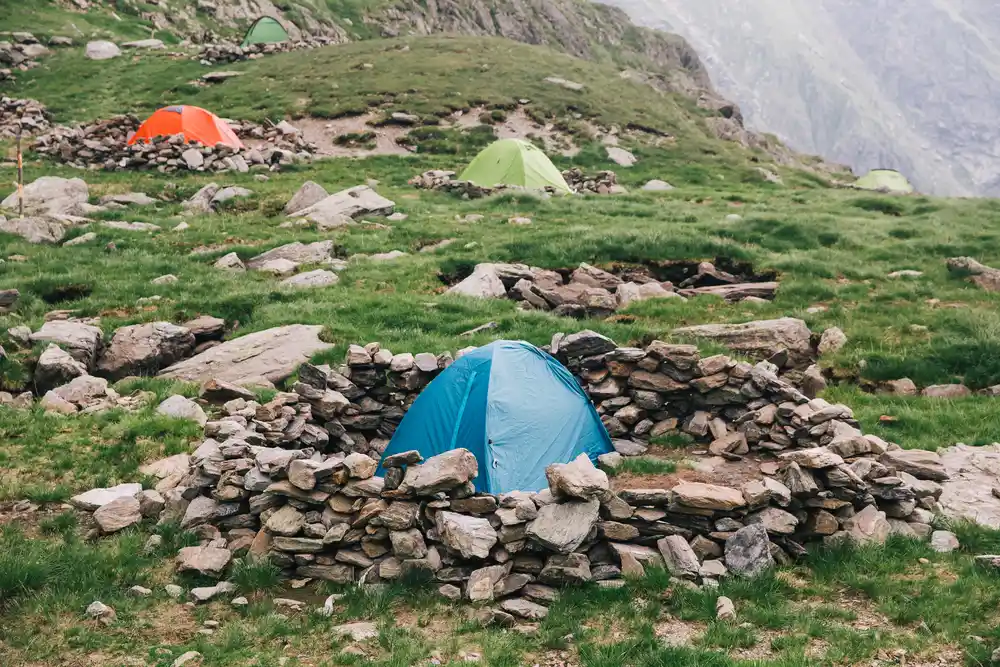
You sleep in teahouses the whole way from Lukla to Gorak Shep. These are small mountain lodges run by local families. You do not camp. You do not carry a tent. Every night, you walk into a village, pick a room, eat a hot meal, and sleep under a warm blanket before doing it all again the next day.
That’s the short answer. But if you’re planning this trek, you probably want to know more. What do these rooms actually look like? How much do they cost? Is there a shower? Can you even sleep at Base Camp itself?
I’ve pulled together everything you need to know, checked against real 2026 trekking data, so you know exactly what to expect before you land in Lukla.
Table of Contents
What Is a Teahouse, Exactly?
A teahouse is a small guesthouse. Think of it like a family home that also rents out a few extra rooms and cooks meals for hungry hikers. Every village along the Everest Base Camp trail has at least one, and bigger villages like Namche Bazaar have dozens.
What Makes a Teahouse Different From a Hotel?
- A local family usually owns and runs it
- There’s one shared dining room where everyone eats, plays cards, and warms up by the stove
- The bedrooms are small and simple, built to keep you warm and dry, not to impress you
- The same building often houses the family that runs it
Picture this: you walk in from the cold, and the first thing that hits you is the smell of garlic soup and the warmth of a wood or yak-dung stove in the corner. Trekkers from all over the world are sitting on wooden benches, trading stories about the day’s hike. That dining room is the heart of every teahouse. Your bedroom is just where you go to sleep.
What Does a Teahouse Room Actually Look Like?
Don’t expect a hotel room. Expect something more like a simple cabin.
Most teahouse rooms have:
- Two single beds with thin foam mattresses (twin rooms are the standard setup)
- A pillow and blanket, though many guides suggest bringing your own warm sleeping bag anyway, since blankets aren’t always enough once you’re above 4,000 meters
- A small table or stool, sometimes a hook on the wall for your jacket
- One light bulb hanging from the ceiling
- Thin plywood walls, so pack earplugs if you’re a light sleeper
Bathrooms are usually shared, and most use squat toilets rather than Western-style ones. Private, attached bathrooms exist, but mainly in bigger towns like Namche Bazaar and Lukla. The higher you climb, the more basic things get.
It’s not fancy. But after seven hours of hiking, a warm room and a real bed feel pretty great.
Where You Sleep Each Night: Village by Village
The Everest Base Camp trek follows a set path, and most trekkers sleep in roughly the same villages each night. Here’s the typical order, from lowest to highest:
| Village | Altitude | What to Expect |
| Lukla | 2,860 m | Your starting point, good facilities |
| Phakding | 2,610 m | Simple lodges, gentle first night |
| Namche Bazaar | 3,440 m | The best food, WiFi, and comfort on the whole trek |
| Tengboche | 3,860 m | Smaller village, famous monastery nearby |
| Dingboche | 4,410 m | Rooms get simpler, nights get colder |
| Lobuche | 4,910 m | Basic rooms, thinner air, shared bathrooms |
| Gorak Shep | 5,164 m | The last stop before Base Camp |
Important Fact to Know
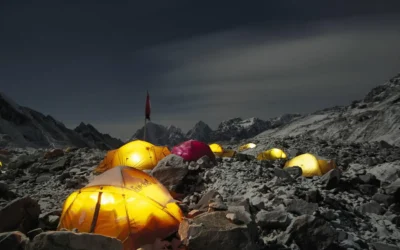
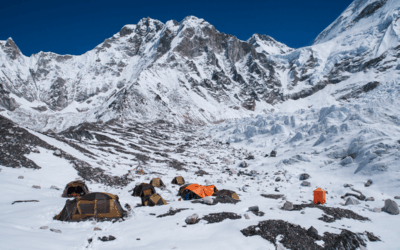
You do not sleep at Everest Base Camp itself. Base Camp has no teahouses and no permanent buildings for regular trekkers. You hike there during the day, take your photos, soak in the view, then walk back down to Gorak Shep to sleep. Only mountaineering teams head up the mountain camp overnight at Base Camp in tents, and that’s a completely different kind of trip.
How Much Does a Teahouse Room Cost?
Room prices depend on altitude. The higher you go, the more it costs to get supplies up there, so prices climb along with you.
Here’s a realistic breakdown for 2026:
| Altitude Range | Villages | Price Per Night |
| Lower villages | Lukla to Namche Bazaar | $5–$15 |
| Mid-altitude | Tengboche to Dingboche | $10–$20 |
| High altitude | Lobuche to Gorak Shep | $15–$40 |
| Luxury/deluxe lodges | Mostly Namche and below | $40–$80+ |
Here’s a money-saving trick most first-time trekkers don’t know: many teahouses drop the room price close to free if you eat your breakfast and dinner there too. Owners make their real money from meals, not rooms. So if you sleep somewhere but eat elsewhere, don’t be surprised if the room price goes up.
Luxury lodges do exist, mostly in Namche Bazaar and other lower villages. They offer private bathrooms, comfier beds, and sometimes even reliable hot water. But once you climb past Dingboche, options shrink fast, and basic teahouses become your only choice.
What About Bathrooms, Showers, and Charging Your Phone?
This trail runs through a remote mountain region, so nothing here is automatic or free the way it might be at home.
Bathrooms
Shared squat toilets are common, especially the higher you go. Bring your own toilet paper and hand sanitizer, since these aren’t always provided.
Hot Showers
Usually not included in your room price. Expect to pay $2 to $6 for a hot shower, and that price climbs at higher altitudes where heating water takes more fuel and effort.
Charging Devices
Plugging in your phone or power bank usually costs extra too, somewhere between $2 and $7 per charge. Bringing a portable power bank from home can save you money over two weeks on the trail.
None of this is complicated, but it helps to bring extra cash in small bills, since card payments don’t exist up there.
Is There WiFi in the Teahouses?
Yes, but don’t expect it to work like home internet.
Most teahouses sell WiFi cards, usually costing $2 to $5 per hour of use. Namche Bazaar has the best and most reliable connection on the whole trek. Once you pass Dingboche, WiFi gets slower, pricier, and sometimes doesn’t work at all, especially during bad weather.
If you need to send a quick message home, plan on doing it in the lower villages. Don’t count on video calls once you’re above Dingboche.
Do You Need to Book Teahouses in Advance?
During busy months, October through November and March through April, popular teahouses fill up fast. Everyone is hiking the same route at the same pace, aiming for the same villages each night.
Here’s how to avoid a problem:
- If you’re trekking with a guide or agency, they usually call ahead or send a porter to grab you a room before you even arrive
- If you’re trekking solo during peak season, you might end up sleeping on a bench in the dining hall if you arrive too late
- Simple fix: start hiking early each day so you reach your next village before the rooms fill up
Booking through a trekking agency takes this worry off your plate completely, which is one reason so many first-time trekkers choose that route.
Tips for a Better Night’s Sleep on the Trail
A good night’s sleep matters more than people expect. It affects your energy, your mood, and how well your body handles the altitude. A few small things make a big difference:
- Bring a warm sleeping bag. Teahouse blankets help, but they’re often not enough once you’re above 4,000 meters.
- Pack earplugs. Walls are thin, and someone nearby will probably snore.
- Bring a headlamp. Bathrooms are often outside your room or down a cold hallway, and you’ll need light for those midnight trips.
- Ask for a room away from the dining hall if you’re sensitive to noise, since that’s where people gather late into the evening.
- Layer up before bed. Nights get seriously cold, even inside your room, especially above Dingboche.
Frequently Asked Questions
Do you sleep in a tent on the Everest Base Camp trek?
No. Regular trekkers sleep in teahouses the entire way. Tents are only used by professional climbing expeditions heading further up the mountain.
Can you sleep at Everest Base Camp itself?
No, not unless you’re part of an official climbing team. Trekkers visit Base Camp during the day and sleep in nearby Gorak Shep at night.
What is the coldest place to sleep on the trek?
Gorak Shep, at 5,164 meters, is the highest and coldest overnight stop. Temperatures can drop well below freezing at night, even inside your room.
Do teahouses have electricity?
Yes, most teahouses have electricity for lights, but charging your own devices usually costs extra, especially at higher altitudes.
Is it safe to trek without booking rooms ahead?
It’s usually fine outside peak season, but during October, November, March, and April, rooms can fill up. Trekking with a guide or starting your hikes early each day helps avoid trouble.
How much should I budget for accommodation total?
For a typical 12 to 14 day trek, expect to spend roughly $150 to $350 total on rooms alone, depending on how high you go and whether you choose budget or comfort-level teahouses.