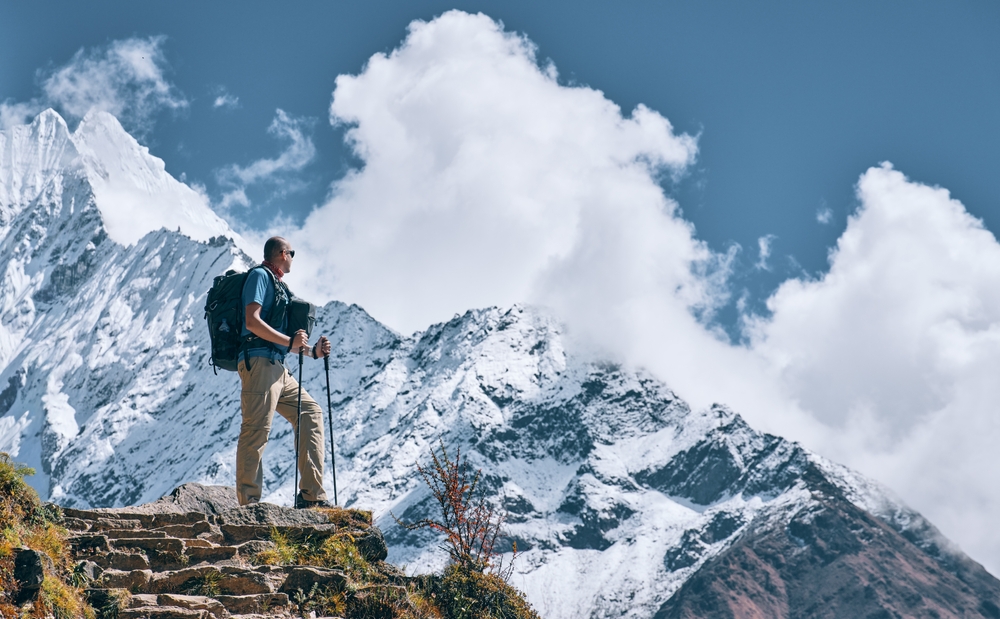
Yes, you can trek Everest Base Camp solo in 2026! I know this is the answer you have been looking for. Hiking to the base of the world’s tallest mountain by yourself is a big dream, and it is 100% possible.
To do it, you don’t need a lot of complicated things. You mainly need two simple permits, a good pair of hiking boots, and a solid plan. You do not need to hire a guide. You can easily get your permits at the tourism office in Kathmandu, or right at the checkpoint when your plane lands in Lukla.
I have been writing about Nepal treks for over 12 years. I have seen thousands of people walk this trail, some in big groups, some with a helpful porter, and some completely alone. In this simple guide, I will tell you exactly what you need, how to get it, how much it will cost, and how to stay safe. Let’s take it step by step.
Table of Contents
Can You Trek Everest Base Camp Without a Guide in 2026?
Here’s the story. In April 2023, Nepal made a new rule. They said all foreign trekkers must hire a licensed guide. This was done to keep people safe in the mountains.
But there’s good news for you. The Everest area, also called the Khumbu region, got a special pass. It’s an exception to that rule. So as of 2026, you can still trek to Everest Base Camp all by yourself. It’s 100% legal.
The catch? You can’t just show up and start walking. You need the right paper permits in your bag. You also need to be ready for thin air and cold weather. But if you plan well, you’re good to go.
Everest Base Camp Permits for Solo Trekkers (No TIMS Card Needed)
Let’s talk about the paperwork. You only need two permits for the Everest Base Camp trek. Not three, not four. Just two.
Sagarmatha National Park Permit Cost and Rules
This is your main entry ticket. Sagarmatha is the Nepali name for Mount Everest. This permit lets you into the national park where the mountain lives.
- Foreign Nationals: NPR 3,000 (~$20 USD)
- SAARC Citizens: NPR 1,500 (~$10 USD)
- Nepali Citizens: NPR 100 (~$0.65 USD)
- Children under 10: Free
- Where to get it: You can buy it in Kathmandu at the Nepal Tourism Board office. Or, you can get it at the park gate in a village called Monjo on your way up.
Khumbu Pasang Lhamu Permit for Solo Trekkers
It is a local permit required for international trekkers entering the Everest region. The fee supports local communities, including trail maintenance, bridge construction, and other infrastructure.
- Cost: NPR 3,000 (approximately USD 23–25) per person
- Who needs it: All foreign trekkers, including SAARC nationals. Nepali citizens are exempt.
- Where to get it: At the checkpoint in Lukla if you fly in, or at Monjo if you enter the region by trail.
- Payment: Carry sufficient cash in Nepalese Rupees.
Note: This permit is a local municipal fee and is separate from the Sagarmatha National Park Entry Permit, which costs NPR 3,000 plus 13% VAT for foreign visitors.
Why You Do Not Need a TIMS Card for EBC
Here’s a big one that confuses many people. The TIMS card (Trekkers’ Information Management System) is a national trekking card Nepal uses. But for the Everest region, you do NOT need it. The local Khumbu Pasang Lhamu permit takes its place. So don’t waste time or money trying to get a TIMS card for EBC.
Is Everest Base Camp Safe for Solo Female Travelers and Beginners?
Let me be real with you. The mountains are not a walk in the park. But the Everest Base Camp trail is one of the safest high-altitude treks in the world.
The Good Side
The main trail is wide and clear. You won’t get lost. Every one or two hours of walking, you’ll find a cozy teahouse (that’s what they call mountain hotels here). During the busy seasons, the trail is full of other hikers. You’ll rarely be alone.
The Risks
The air gets very thin as you climb higher. This can cause altitude sickness, which makes you feel sick, dizzy, or give you a bad headache. It can happen to anyone, even super fit athletes. The weather can also turn cold and stormy fast.
For Solo Female Travelers
Yes, it is very safe for solo female travelers. I’ve seen many women walk this trail alone. The path is busy, and the local Nepali people are known to be highly respectful and helpful to women. Just use common sense, like you would anywhere in the world.
Hiring a Porter vs. Guide for Solo EBC Trek
You might be thinking, “Should I hire someone to come with me?” Here’s the simple breakdown:
- A Guide: This person walks with you the whole time. They talk to teahouse owners, tell you about the culture, and make all the daily choices for you.
- A Porter: This is a strong local worker. They carry your heavy backpack for a small daily fee (usually $20 to $25 per day, which includes their food and bed).
My Pro Tip: Hire a porter, not a guide. This way, you still hike “solo.” You make your own choices, walk at your own speed, and stop when you want. But you have a friendly local with you for safety, and your back won’t hurt from carrying a heavy bag. It’s the best of both worlds.
Need help finding the right support? If you are not sure how to find a good porter, companies like Himalaya Hub can help. They are a government-licensed trekking company based in Kathmandu, established in 2015. They have certified local staff who know the Everest trails well. With a 4.9-star rating from over 1,000 reviews, they are a trusted option for solo trekkers who want reliable local support without losing their independence.
Pros and Cons of Solo Trekking Everest Base Camp
Let’s look at what’s good and what’s hard about going alone.
The Pros (Good Stuff)
- You set your own walking speed. No one rushes you.
- You can stop to take photos or rest whenever you want.
- It’s much cheaper than paying for a big tour group.
- You get to meet more locals and other trekkers on your own.
The Cons (Hard Stuff)
- You must carry your own heavy bag (unless you hire a porter).
- You must plan your own meals and find your own sleep spots.
- You have to deal with any problems by yourself.
- It can feel a little lonely during dinner time.
5 Essential Safety Tips for Solo Trekking in Nepal
Here are my top tips to keep you safe on the trail:
- Buy High-Altitude Rescue Insurance: This is a must. Make sure your travel insurance covers helicopter evacuation up to 6,000 meters. If you get sick, a helicopter can fly you to a hospital in Kathmandu.
- Walk Very Slowly: The local saying is “bistai, bistai” (slowly, slowly). Give your body time to get used to the thin air. Rushing causes altitude sickness.
- Sleep in Busy Teahouses: Stay in places where other hikers are sleeping. This way, you’re never completely alone at night. If something goes wrong, someone will notice.
- Share Your Daily Plan: Tell your family back home where you’re walking each day. Also, tell your teahouse host your plan for the next morning.
- Buy a Local Ncell or NTC SIM Card: Get a Nepali phone card when you land in Kathmandu. It costs about $2 to $3 and gives you data and calls on the mountain. This way, you can call for help if needed.
Solo EBC Trek Cost: Budget Breakdown for 2026
Let’s talk money. An independent trek from Kathmandu usually costs between $1,400 and $1,600 USD for a 12 to 14-day trip.
Here’s a simple breakdown:
- Flights to Lukla (round trip): ~$350 to $400
- Permits: ~$50 to $55
- Food and teahouse beds: ~$30 to $50 per day
- Gear rental and tips: ~$100 to $200
(Note: If you hire a porter, add about $25 per day for their pay, food, and bed).
Conclusion
So, can you trek Everest Base Camp solo? Absolutely. It’s a legal, possible, and life-changing adventure in 2026.
With the right permits, a slow walking pace, and good travel insurance, you can safely trek to Everest Base Camp without a guide. It’s a trip you’ll never forget.
If you decide you want a little extra help with logistics, consider reaching out to a trusted local operator like Himalaya Hub. They have been organizing Everest treks since 2015 and can easily handle your permits, porter bookings, and safety planning. This makes your solo adventure much smoother and stress-free.
Start getting your hiking boots ready, check the latest permit rules, and book your flights to Nepal today! The mountains are waiting for you.
Frequently Asked Questions About Solo Everest Base Camp Trek
Is it safe for a solo female to trek to Everest Base Camp?
Yes! The trail is busy, and locals are very respectful to solo female travelers. Many women do this trek alone every year.
When is the best time for a solo EBC trek?
Spring (March to May) and Autumn (September to November) offer the clearest skies and safest weather. These are the best times to go.
Can I charge my phone on the mountain?
Yes, but teahouses charge a small fee (usually $1 to $3 per hour). Bring a portable power bank to save money.