If you want to walk to Everest Base Camp, you need to know the risks. This trek is not a normal hike. You climb very high. The air is thin, and knowing how high is Everest Base Camp, helps you understand the reality of the altitude. The weather changes fast. And your body can break down before you realize it. This guide tells you the main dangers and how to stay safe.
Why EBC Trek Dangers Matter
The trek starts in Lukla at 2,860 meters. It ends at Base Camp at 5,364 meters. That is a big jump. Most people take 12 to 14 days. Some try to rush it in 9 or 10 days. That is dangerous. Your body needs time to adjust to thin air.
Fitness helps. But it does not protect you from altitude sickness. Even very fit people get sick up high. What saves you is slow climbing, rest days, and listening to your body.
Table of Contents
The Biggest Danger: Altitude Sickness
Altitude sickness is the top killer on this trek. It hits when your body does not get enough oxygen.
Acute Mountain Sickness (AMS)
AMS is common above 3,500 meters. You feel headache, nausea, tired, and you sleep badly. Many trekkers get mild AMS. It is okay if you rest. But if you keep climbing while sick, it gets worse.
HAPE: Fluid in the Lungs
HAPE is very serious. Your lungs fill with fluid. You feel very short of breath even when sitting still. You may cough up pink or foamy spit. This usually hits above 4,000 meters, near Dingboche, Lobuche, and Gorak Shep.
If you get HAPE, you must go down right away. There is no medicine that fixes it at high altitude. Only going lower saves you.
HACE: Brain Swelling
HACE is brain swelling. It is rare but deadly. You feel very confused. You stumble when you walk. You may act strange. Later, you can fall into a coma.
If you see these signs — confusion, bad balance, strange behavior — go down at once. Do not wait for morning. Do not wait for better weather. Go down now.
Where Risk Is Highest
- Namche Bazaar (3,440m): First real jump. Many feel sick here.
- Dingboche (4,410m): Big jump from Namche. Rest here.
- Lobuche (4,940m): Risk rises sharply.
- Gorak Shep (5,164m): Highest sleeping point. Most people feel bad here.
- Base Camp (5,364m): You do not sleep here, but you are very high.
How to Prevent It
- Go up slowly. Do not climb more than 500 meters in sleeping height per day above 3,500 meters.
- Take rest days at Namche and Dingboche. Do not skip them.
- Climb high during the day, sleep low at night.
- Drink 3 to 4 liters of water each day.
- Do not drink alcohol above 3,500 meters.
- Ask your doctor about Diamox. It helps your body adjust, but it is not a cure.
When to Turn Back
Turn back if you have:
- A bad headache that does not go away
- Vomiting more than once
- Confusion or trouble walking straight
- Very hard breathing while resting
- A cough with pink or foamy spit
Going back is not failure. It is smart. It saves your life.
Khumbu Cough and Breathing Problems
At high altitude, the air is very dry and cold. Your lungs work very hard. This causes Khumbu cough. It is a dry, bad cough that can last for weeks.
This cough is not always just a cough. It can hide HAPE. Watch for these changes:
- Cough turns wet or produces pink spit
- You feel very short of breath when resting
- Your chest feels tight
To prevent it:
- Wear a mask or buff over your mouth
- Drink a lot of water
- Do not push too hard
- Rest when tired
Weather Dangers
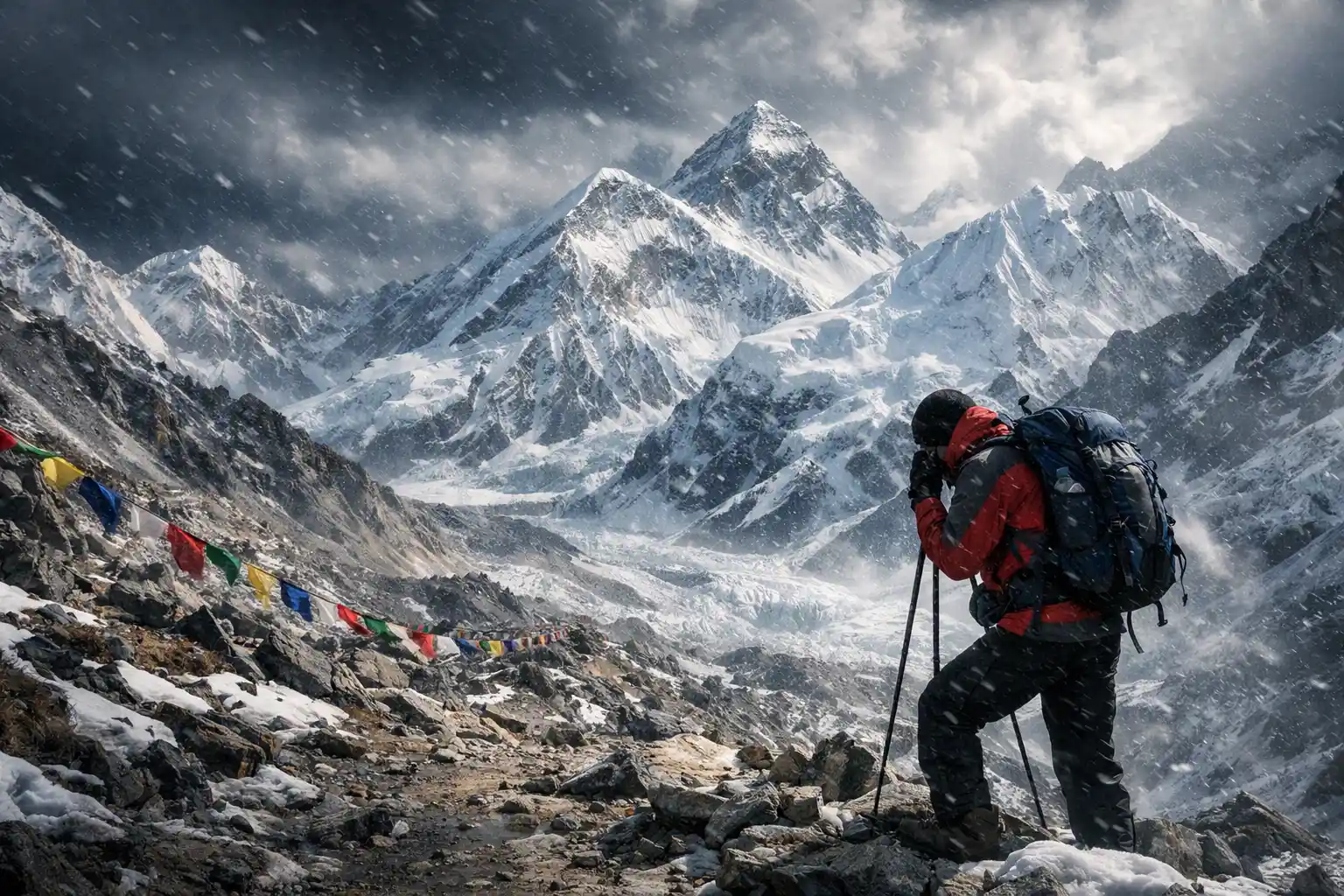
Weather changes very fast above Namche. Sun can turn to snow in minutes.
Whiteouts and Storms
Snow and cloud can make you blind to the trail. You can get lost or fall. If you cannot see, stop. Find shelter. Wait. Do not keep walking.
Cold and Frostbite
Daytime may be warm. At night, it can drop to -20°C at Lobuche. Wet socks or gloves can cause frostbite. Frostbite damages skin forever. Always wear layers. Keep your feet dry. Carry extra socks.
Avalanche Risk
Avalanches can happen near Lobuche and the glacier. Fresh snow and warm days make it worse. Your guide should know safe times to cross. Do not stop in dangerous spots.
Best Times to Go
March to May and September to November are best. June to August is monsoon – rain, clouds, and slippery trails. December to February is very cold and some paths may close.
Physical Exhaustion and Injuries
The trek is about 130 kilometers round trip. At sea level, that is easy. At high altitude, it is very hard. Your body uses more energy. You recover slower. You sleep worse.
Common injuries:
- Knee pain on the way down
- Ankle sprains on loose rocks
- Blisters from bad boots
- Back pain from heavy packs
The biggest risk is pushing through tiredness. When you are tired at 5,000 meters, you think badly. You miss warning signs. You make bad choices. Slow down. Rest more. Your pace should be easy enough to talk.
Food and Water Problems
Stomach bugs are worse up high. You already fight for oxygen. Now add vomiting or diarrhea. You lose water fast. That makes altitude sickness worse.
Water Safety
Do not trust any water without treating it. Use tablets, a filter, or UV light. Even boiled water from teahouses can have germs.
Food Safety
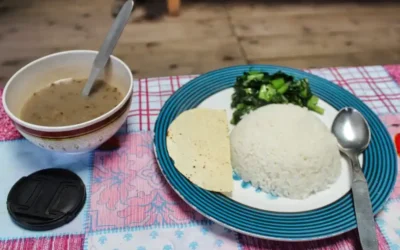
- Eat hot, fresh food at the best tea houses in EBC.
- Avoid raw salads and cold leftovers.
- Be careful with milk and cheese in remote areas.
- Carry medicine for diarrhea and dehydration.
Insurance and Rescue Problems
Most travel insurance does not cover trekking above 4,000 meters. The EBC trek goes to 5,364 meters. If you need a helicopter from Lobuche or Base Camp, it can cost $5,000 to $15,000. Some policies say they cover rescue but only from lower places.
Before you go:
- Buy insurance that covers trekking up to 6,000 meters.
- Make sure helicopter rescue is included.
- Check that rescue from remote spots is covered.
- Carry your policy details with you.
Even with good insurance, helicopters cannot fly in storms or high wind. You may still need to walk down. Insurance pays the bill. It does not change the weather.
Mental and Mind Dangers
High altitude changes your brain. You may feel scared, sad, or confused. You may make bad choices. Solo trekkers face more risk because no one can tell them when they look sick.
If you trek with a guide or group, they can spot problems you miss. They can help in storms. They can call for help. Solo trekking is possible, but it is harder and riskier.
Do not let “summit fever” control you. The goal is not just Base Camp. The goal is coming home safe. If you feel bad, turn back. That is the right choice.
Gear Failures
Your gear keeps you alive. Test everything before you leave Nepal.
- Sleeping bag: Must work at -20°C. A bad bag means no sleep, which makes you sicker.
- Boots: Must fit well and be broken in. Blisters and frostbite start with bad boots.
- Sunglasses: You need category 3 or 4 with side shields. Snow blindness hurts badly and stops you from walking.
- Headlamp: Carry extra batteries. Cold drains them fast. If you must walk at night, a dead lamp is very dangerous.
Trail Hazards
- Yaks and mules: They carry goods. They do not stop for you. Step to the uphill side when they pass.
- Rockfall: Some areas drop rocks, especially after rain or snow. Move quickly through these spots.
- Bridges: Cross one at a time. Do not bounce. Hold the rails.
The Danger of Rushing
Some people try to finish in 9 or 10 days, ignoring how many hours a day is Everest Base Camp trek guidelines are. That is too fast. Your body needs rest days at Namche and Dingboche. Skip them, and you risk severe altitude sickness.
Social pressure is real. If your group moves too fast, tell your guide. A good guide will slow down. If they will not, think about whether that group is safe.
Safety Checklist
Before and during your trek:
- Limit daily sleep height gain to 500 meters above 3,500 meters.
- Take two rest days (Namche and Dingboche).
- Drink 3 to 4 liters daily. Add electrolytes.
- Eat high-carb food. Avoid alcohol up high.
- Wear a mask for cough. Stay warm and dry.
- Purify all water.
- Check your insurance covers 6,000 meters and helicopter rescue.
- Break in boots. Pack layers. Carry backup sunglasses and headlamp batteries.
- Know the red flags: bad headache, vomiting, confusion, bad balance, breathlessness at rest, pink cough spit.
- If red flags appear, go down at once.
Quick Danger Summary
| Danger | How Serious | Where | How to Stay Safe |
| AMS | High | Above 3,500m | Go slow, rest, drink water |
| HAPE / HACE | Very serious / deadly | Lobuche, Gorak Shep, Base Camp | Go down right away |
| Khumbu cough | Medium to high | Dingboche, Lobuche | Mask, water, rest |
| Bad weather / whiteout | High | Above Namche | Stop, shelter, check forecast |
| Cold / frostbite | Medium to high | At night, high camps | Layers, dry socks, good bag |
| Tired / injuries | Medium | Whole trail | Slow pace, poles, good boots |
| Bad food / water | Medium | All teahouses | Purify water, eat hot food |
| No insurance / rescue | High | Remote spots | Buy proper coverage first |
| Bad choices / panic | Medium to high | Above 4,500m | Trek with guide or group |
Final Thought
Everest Base Camp is an amazing trek. It is also a serious one. The dangers are real, but they are not unstoppable. Go slow. Rest well. Listen to your body. Get the right insurance. Carry good gear. And never be too proud to turn back.
The best trekkers are not the fastest. They are the ones who come home safe.
Explore More Everest Circuit Trek Guides
- Mount Everest Rainbow Valley: What You Need to Know
- How Long to Walk Everest Base Camp: A Complete Guide
- How Many Base Camps Are There on Everest?
- How to Get to Everest Base Camp: A Complete Guide
- How Much Is It to Do the Everest Base Camp Trek?
- How to Train for Everest Base Camp
- How Many Kilometers from Base Camp to Everest Summit?
- How Many People Hike to Everest Base Camp?
- What Is Everest Base Camp?
- Where Is Everest Base Camp Located?
- Why Is Everest Base Camp Famous?
- Everest Base Camp View of Mount Everest
- Green Boots Mount Everest: The Story
- Where Does the Everest Base Camp Trek Start?
- Everest Base Camp Route Guide
- Is Everest Base Camp Trek Hard for Beginners?
- Everest Base Camp on a Budget
- How to Get Everest Base Camp Trek Permits
- Everest Base Camp Trek Permits & Regulations Guide
- Everest Base Camp Trek Packing Guide
- Kala Patthar Trek Guide
- Best Sunrise View Everest Base Camp
- Is Everest Base Camp Crowded?
- Everest Base Camp vs Gokyo Lakes
- Is There Internet or Wi-Fi on the EBC Trek?
- Are Toilets Available on the Everest Circuit Trek?
Questions and Answers
What is the most dangerous part?
Dingboche to Lobuche, and especially Lobuche and Gorak Shep. That is where altitude is highest and your body struggles most.
Can fit people get altitude sickness?
Yes. Fitness does not stop it. Slow climbing and rest days do.
Is solo trekking safe?
It is possible, but it is riskier. A guide or group helps you spot sickness and helps in storms.
What do I do if I get sick?
Stop going up. Rest. Drink water. If it gets worse confusion, bad breathing, pink spit goes down right away. Do not wait.
Do I really need special insurance?
Yes. Normal insurance does not cover this trek. You need coverage up to 6,000 meters with helicopter rescue included.