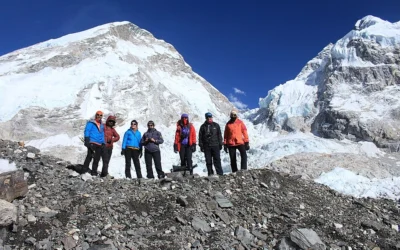
Imagine standing at the very bottom of the tallest mountain in the world. The wind is howling. The air is freezing cold. Every single step is a massive struggle.
When we see a climber finally reach the top of Mount Everest, we cheer. We take pictures and celebrate their bravery. But there is a secret behind almost every successful climb. Behind that smiling climber is a Sherpa.
The vital role of Sherpas on Mt Everest is what makes the dream possible. They are the true, unsung heroes of the mountain. Let’s take a closer look at who they are, what they do, and why we owe them so much.
Table of Contents
Who Are the Sherpa People?
First, we need to clear up a very common myth. Many people think “Sherpa” is just a job title. They think it is like saying “driver” or “baker.” But that is not true at all.
Sherpa is actually the name of an ethnic group from Nepal. These people have lived in the high Himalayan mountains for hundreds of years. Because they grew up in the clouds, the mountains are in their blood.
For the Sherpa people, Mount Everest is not just a big rock to conquer. They call the mountain Sagarmatha or Chomolungma. To them, it is a sacred, spiritual place. They do not just climb it; they treat the mountain with deep, lasting respect.
What Do Sherpas Actually Do on Mount Everest?
So, what do they actually do all day? A lot! They are the backbone of every expedition. Here is a breakdown of their daily tasks:
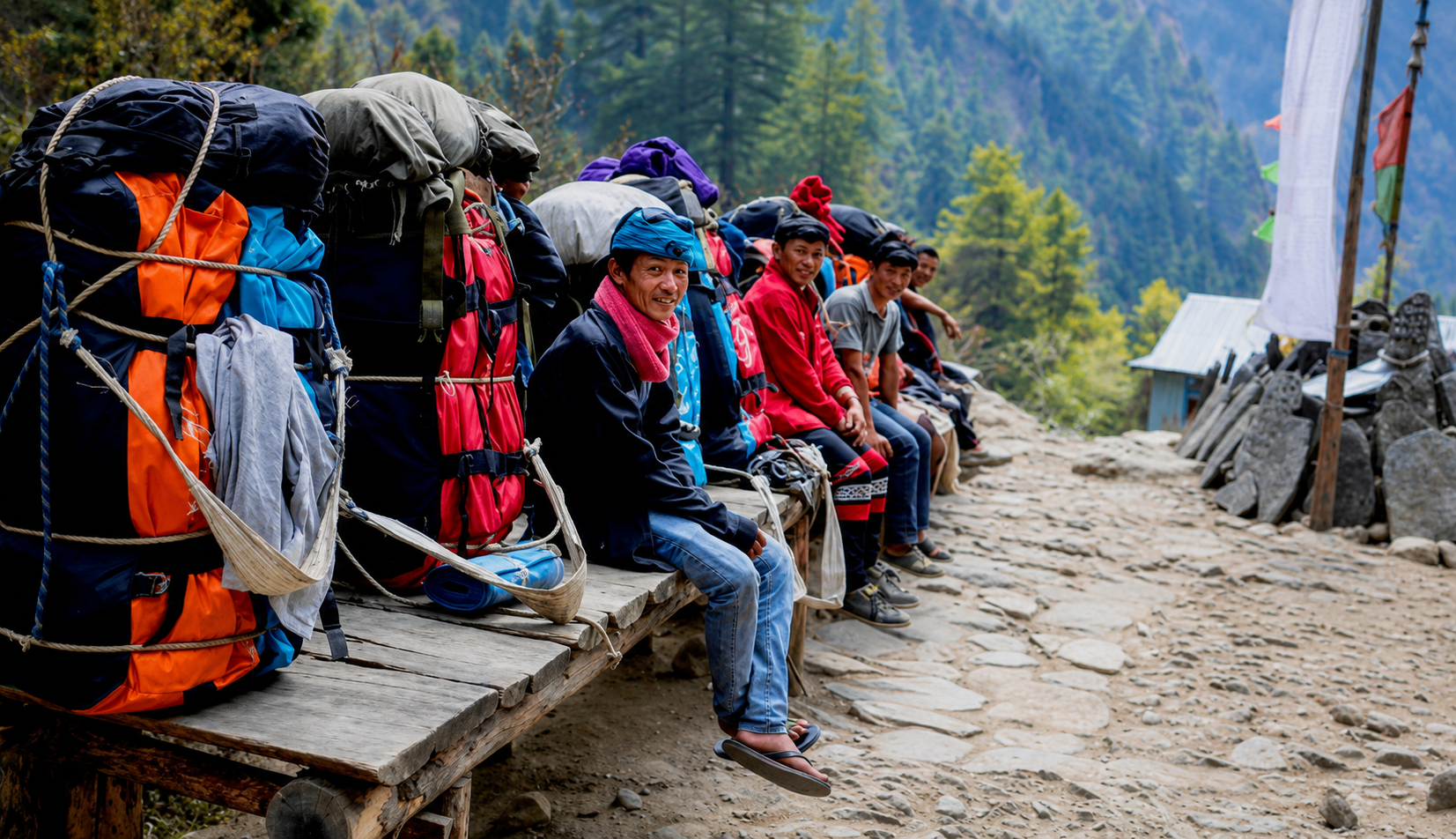
- Carrying Heavy Gear: Climbers bring a lot of stuff, but they do not carry it all. Sherpas carry the heavy supplies. This includes thick tents, warm food, cooking stoves, and extra oxygen tanks. They make many dangerous trips up and down the icy slopes just to move these items higher up the mountain.
- Setting Up the Safe Route: Before a client even takes a step, the Sherpas go first. They are the trailblazers. They fix thick safety ropes to the ice. They place metal ladders over deep, scary cracks called crevasses. They clear the snow to make a safe path for everyone else.
- Guiding and Rescuing: Up high, the weather changes in minutes. Sherpas watch the sky and the wind. They tell the climbers when it is safe to move and when to hide in their tents. If a climber gets sick or falls, the Sherpas are the ones who risk their own lives to rescue them.
The Science: Why Are Sherpas So Good at High Altitudes?
Have you ever wondered how they do it? How do they carry heavy packs while others gasp for air? Scientists have actually studied this, and they found some amazing facts about Sherpa bodies.
- Built for Thin Air: Scientists looked closely at Sherpa cells. They found that their cells use oxygen much better than people from flat lands.
- Less Muscle Tiredness: When we exercise hard, our muscles make a chemical called lactic acid. It makes us feel tired and sore. Sherpa bodies produce less of this acid. Their muscles just do not get tired as fast.
- It Is in Their Genes: This is not just from eating well or training hard. Hundreds of years of living high up in the mountains have changed their DNA. Their bodies are naturally built to survive where the rest of us struggle.
The Heavy Risks and Challenges Sherpas Face
We must be honest. Being a Sherpa is not just a cool job. It is incredibly dangerous, and they face challenges most of us cannot imagine.
- The Death Zone: High up on Everest, the air is so thin that humans cannot survive for long. Climbers call this the “Death Zone.” Sherpas spend the most time up there, setting up camps and fixing ropes while their bodies slowly break down from the lack of oxygen.
- The Khumbu Icefall: This is a giant, moving river of ice. The ice shifts, cracks, and crashes without warning. It is the most dangerous part of the whole climb. Sadly, many Sherpas have lost their lives in this icy trap while making the path safe for others.
- The Pay Gap: This is a hard truth to face. A wealthy climber might pay up to $120,000 to reach the top. But a Sherpa guide usually makes between $4,000 and $18,000 for the entire, risky season. They do the hardest, most dangerous work for a small fraction of the cost.
How We Can Respect and Support the Sherpa Community
We cannot just read about them and do nothing. Here is how we can show our respect and support:
- Learn Their Names: Sherpas are real people with their own amazing stories. Did you know a man named Kami Rita Sherpa has reached the top of Everest 30 times? That is a world record! Learn their names and celebrate their personal wins.
- Choose Ethical Companies: If you or someone you know ever plans to climb, do your homework. Pick a climbing company that pays Sherpas fairly. Make sure they provide good life insurance and proper, safe gear.
- Show Deep Respect: Always honor their culture. Listen to their advice on the mountain. Thank them for their incredible hard work and treat them as equals, not just as helpers.
Conclusion
To wrap it all up, Sherpas do so much more than just point the way. They carry heavy gear. They set the safe ropes. They keep the climbers alive.
The vital role of Sherpas on Mt Everest cannot be replaced by machines or new technology. The next time you see a picture of someone standing on top of the world, look closely. Remember the Sherpa who helped them get there.
Did you learn something new about the amazing Sherpa people today? Please share this article with your friends and family. Let’s help spread the word about the true heroes of Mount Everest!
Frequently Asked Questions
Is “Sherpa” a job or a person?
It is both! Sherpa is an ethnic group of people from Nepal. But in the climbing world, people also use it as a job title for mountain guides.
Who has climbed Mount Everest the most times?
Kami Rita Sherpa holds the world record. As of 2024, he has safely reached the summit an amazing 30 times.
Why do Sherpas carry so much weight on Everest?
Their bodies are naturally adapted to high altitudes. They use oxygen more efficiently. This allows them to carry heavy loads safely in places where normal climbers would pass out.