
Are you planning a big trip to the Himalayas? You might be looking at maps and wondering which hike is tougher. Is it the long walk to Everest Base Camp, or the steep climb up Kala Patthar?
I have been writing about mountain trekking and guiding travelers for 12 years. I have walked these trails many times, and I always tell my readers the honest truth. Here is the short answer: Yes, Kala Patthar is generally harder than Everest Base Camp. It is higher, steeper, and much more rocky.
But do not let that scare you! This guide is fully updated for 2026. It includes the newest Nepal trekking rules, exact trail facts, and simple tips to help you prepare. Let us break it all down so you know exactly what to expect on your adventure.
Table of Contents
The Short Answer: Which Hike is Tougher?
If you only have one minute, here is what you need to know. Everest Base Camp is a test of your staying power. It is a long walk over many days. But the final walk to the camp itself is mostly flat and easy.
Kala Patthar is a test of your leg strength and your lungs. It is a very short walk, but it goes straight up. You will be climbing steep stone steps in the cold and dark. Because of this, the physical effort on Kala Patthar feels much harder than the walk to Base Camp.
Kala Patthar vs. Everest Base Camp: The Real Differences
Let us look at the facts. Both hikes are amazing, but they feel very different under your boots. Here is a simple comparison to help you understand the trail.
Everest Base Camp (EBC)
- Height: 5,364 meters (17,598 feet).
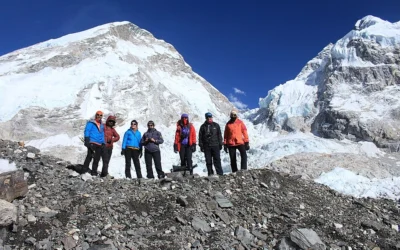
- Trail Feel: It is a longer walk. But the end part is mostly flat. You walk across a giant, rocky glacier.
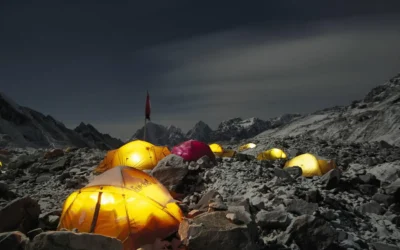
- Goal: To see the famous base camp tents, the colorful prayer flags, and the giant Khumbu Icefall.
Kala Patthar
- Height: 5,545 meters (18,192 feet). (Note: You might see some old maps say 5,644 meters. But 5,545 meters is the standard spot where trekkers stand and take photos.)
- Trail Feel: It is a shorter walk. But it is very steep. The path is made of loose dirt and rocks.
- Goal: To get the best, closest view of the top of Mount Everest.
Why is Kala Patthar Harder? (The 3 Big Reasons)
You might ask, “If it is shorter, why is it harder?” Let us break it down into three simple reasons.
1. Higher Altitude Means Thinner Air
Kala Patthar is about 181 meters (600 feet) higher than EBC. Here is a simple fact: The higher you go, the less oxygen is in the air.
Imagine trying to breathe through a thin straw. That is what it feels like at 5,500 meters. Your heart will beat much faster. You will need to stop and catch your breath often. This extra effort makes your body work much harder than it did at Base Camp.
2. Steeper and Rockier Terrain
The EBC trail walks across a glacier. It is mostly flat and smooth. The Kala Patthar trail is completely different. It is a steady, steep climb up loose rocks and dirt.
There are hundreds of stone steps. Your calf muscles will burn. You need more leg strength and good balance to make it to the top. If you slip, it is hard to catch yourself. You have to watch your feet the whole time.
3. The Dark and Cold Sunrise Climb
This is the biggest factor. Most people climb Kala Patthar in the dark. They want to reach the top before the sun comes up.
You will wake up at 3:00 AM. The temperature will be below freezing. Your breath will turn to frost in the air. Hiking in the freezing cold, in the dark, with thin air makes the climb feel much harder. Walking to EBC is usually done in the bright, warm daytime. The cold drains your energy fast.
The Big Secret: Why You Must Climb Kala Patthar Anyway
If Kala Patthar is so hard, why do it? Here is the big secret that surprises many first-time trekkers.
You actually cannot see the top of Mount Everest from Everest Base Camp! A large mountain ridge blocks the view. You will see the icefall, but the famous peak is hidden. Many people feel sad when they realize this at Base Camp.
Kala Patthar is the solution. It gives you a wide, 360-degree view of Mount Everest, Lhotse, and Nuptse. When the sun hits the top of Everest and turns the snow bright gold, you will forget how tired your legs are. The tough climb is 100% worth it for this amazing view.
Important 2026 Trekking Rules You Must Know
Nepal is changing its rules to protect the beautiful mountains. As an expert, I want to make sure you do not get in trouble. Here is what you need to know for 2026.
- No Sleeping at EBC: The government now strictly limits overnight camping at Everest Base Camp. Why? To protect the delicate glacier and keep the area clean. You cannot sleep there anymore. You must hike up, enjoy the view, and return to Gorak Shep or Lobuche to sleep in a warm teahouse.
- Guide Rules: Nepal has stricter safety rules now. Hiring a licensed local guide is highly recommended. In some areas, it is required for your permits. A good guide keeps you safe, helps you walk at the right speed, and knows exactly what to do if you feel sick.
- Leave No Trace: There are strict garbage rules now. The mountains are not a dump. You must pack out all your trash. Bring a small bag to carry your empty wrappers and bottles back down. Help keep the Himalayas clean for the next travelers.
Step-by-Step: What the Kala Patthar Morning Actually Looks Like
To help you prepare, let us walk through the morning of the hike. Knowing what to expect makes it much less scary.
- 3:00 AM: Your guide knocks on your door. You put on all your warm clothes. You eat a quick, simple breakfast like hot porridge or toast.
- 3:30 AM: You step outside. It is pitch black and very cold. You turn on your headlamp.
- 4:00 AM: You start walking. The trail is steep. You walk very slowly. Bistari, bistari (slowly, slowly). You only see the beam of your headlamp on the rocks.
- 5:30 AM: The sky starts to turn purple and pink. The air is still very thin. Your legs are tired, but the view is waking up.
- 6:00 AM: You reach the top. The sun rises over Mount Everest. The snow turns bright gold. You take your photos and smile.
- 7:30 AM: You walk back down to Gorak Shep. The sun is up, so it is warm. You eat a big breakfast and rest your legs.
How to Prepare and Pack for the Steep Climb
You do not need to be an Olympic athlete. But you do need to prepare. Here are simple tips to get your body and your bag ready.
Physical Training
- Train Your Legs: Practice walking up hills. Climb stairs with a light backpack before your trip. This builds the exact muscles you need for the stone steps.
- Do Cardio: Jog, swim, or ride a bike a few times a week. This helps your heart get used to working hard for long periods.
Mental Preparation
- Expect to be Uncomfortable: You will be cold. You will be out of breath. Accept it. Tell yourself, “I am just walking slowly, and I will make it.”
- Focus on Your Feet: Do not look at the top of the mountain. It is too far away. Just look at the next step. Take it one step at a time.
What to Pack for the Morning Hike
- Headlamp: This is a must. You cannot hike in the dark without one. Bring extra batteries just in case.
- Warm Layers: Bring a thick down jacket, a warm hat, and thick gloves. The wind at the top is freezing.
- Trekking Poles: These save your knees on the way down. They also help you push up the steep steps.
- Water and Snacks: Bring a thermos of hot water or tea. Bring chocolate or energy bars for a quick sugar boost when you feel tired.
Conclusion: Are You Ready for the Challenge?
Kala Patthar is harder than Everest Base Camp. It is higher, steeper, and colder. The steps are tough, and the air is thin. But with slow walking, good training, and a great guide, it is very doable. It is a safe and amazing goal.
When you stand at the top and watch the sun light up the highest peak in the world, you will feel so proud. You will know you earned that view.
Are you ready to start planning your trip? Download our free 2026 EBC Packing List below. It has everything you need to stay warm and safe. Or, leave a comment below with your trekking questions. I read every single one, and I am happy to help you get ready for the adventure of a lifetime!
Frequently Asked Questions
Can you do Kala Patthar without doing Everest Base Camp?
Yes, you can. But it is not recommended. Both hikes start from the same village, called Gorak Shep. It takes over a week to walk to Gorak Shep. Most people do both on the same trip. It makes no sense to walk all that way and skip the best view!
What is the hardest part of the Everest Base Camp trek?
For most people, it is the early morning climb up to Kala Patthar. It is the single hardest part of the whole trip. The long walk to Base Camp is tiring, but the steep, cold climb up Kala Patthar is the ultimate test.
What is the best time of year to hike to Kala Patthar?
The best times are spring (March to May) and fall (September to November). The skies are clear, and the mountain views are the best. In the winter, it is too cold and snowy. In the summer, the clouds hide the mountains.
Will I get altitude sickness on Kala Patthar?
It is possible. Because you are going so high, some people get headaches or feel sick. The best way to stop it is to walk very slowly, drink lots of water, and sleep at lower heights on the days before. If you feel very sick, tell your guide immediately. They will help you go down to a lower, safer height.