Trekking to Everest Base Camp (EBC) is a bucket-list dream for thousands, but the price tag can be as steep as the trail to Namche Bazaar. On average, most trekkers spend between $1,200 and $4,500 USD for the 12-to-14-day journey. This wide range exists because the “Everest experience” can mean anything from sleeping in a freezing plywood room to enjoying an electric blanket and a latte at 13,000 feet.
In this guide, we aren’t just going to give you dry numbers. We’re going to look at the “hidden” taxes of the mountain like the $5 you’ll pay just to charge your phone and how to navigate the local economy so you don’t break the bank.
Table of Contents
The Reality of the Everest Base Camp Trek Cost
When people ask, “Is Everest Base Camp expensive?” They often compare it to backpacking in Southeast Asia. Let’s get one thing straight: Nepal is generally cheap, but the Khumbu region (Everest) is an island of high prices.
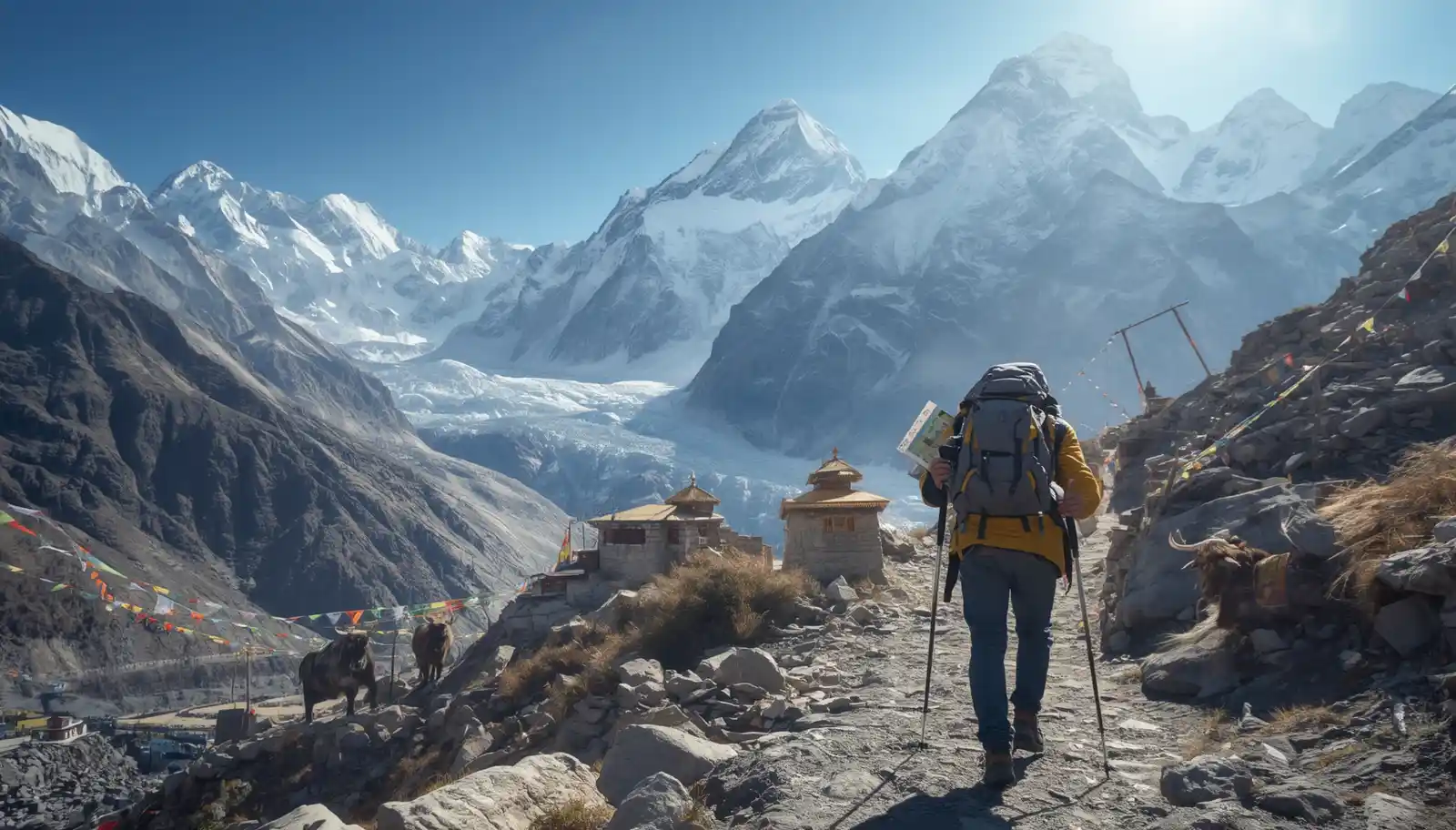
Everything you eat, from a Snickers bar to a bowl of pasta, had to be carried up the mountain by a porter, a mule, or a yak. There are no roads here. This “yak-power” logistics chain means that as you go higher, the price of a bottle of water can jump from $1 to $4.
To help you plan, we can break the costs into three tiers:
- The Budget Backpacker ($1,000 – $1,300): You’re carrying your own pack, eating mostly Dal Bhat (lentil soup and rice), and skipping the $7 hot showers.
- The Standard Trekker ($1,500 – $2,500): You’ve hired a porter, you’re staying in decent tea houses, and you might treat yourself to a bakery item in Namche.
- The Luxury Adventurer ($4,000+): You’re flying in by helicopter, staying in “luxury” lodges with private bathrooms, and enjoying a higher level of service.
Fixed Costs: The “Must-Pays” Before You Even Step on the Trail
Before you can start your hike, there are several “gatekeeper” costs that every trekker must pay. You can’t haggle these down, so budget for them early.
1. The Nepal Entry Visa
Unless you are from India, you’ll need a visa. For the standard 15-day trek, most people get the 30-day tourist visa for $50 USD. You can get this at the airport in Kathmandu, but make sure your passport has at least six months of validity left, or your trip will end before it begins!
2. Mandatory Permits (The Paperwork)
You can’t just walk into the Everest region. You need two main permits:
- Khumbu Pasang Lhamu Rural Municipality Permit: This costs about 2,000 NPR (approx. $15 USD). You pay this in Lukla.
- Sagarmatha National Park Entry Permit: This is 3,000 NPR (approx. $25 USD).
If you are trekking from Jiri (the “classic” route), you’ll need an additional permit for the Gaurishankar Conservation Area. Always keep these permits in your jacket pocket; there are checkpoints along the trail, and if you lose them, you’ll be paying twice!
3. The Flight to Lukla: The World’s Scariest (and Priciest) Commute
Most trekkers fly from Kathmandu (or Ramechhap) to Lukla to save a week of walking. A round-trip flight currently costs between $360 and $450 USD for foreigners.
- Pro Tip: In the peak seasons (Spring and Autumn), flights often depart from Ramechhap, a 4-hour drive from Kathmandu, to avoid air traffic. Factor in the cost of a shared jeep or bus to get there.
On the Trail: Daily Expenses and the “Dal Bhat” Index
Once you land in Lukla, your daily spending begins. The biggest variable here is your appetite and your need for comfort.
Accommodation: The Famous Tea Houses
Tea houses are basic mountain lodges. At lower altitudes (Phakding or Namche), a room might cost $5 to $10 USD per night. However, there is a “catch.” Most tea houses require you to eat dinner and breakfast at their establishment. If you don’t, they may double or triple your room rate!
As you reach higher spots like Gorak Shep (5,164m), the rooms become more basic—sometimes just two twin beds and a small window but the price stays relatively low because the owners make their profit on the food.
Food and Water: Fueling the Hike
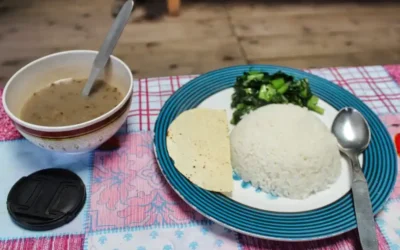
A plate of Dal Bhat is the gold standard for trekking food. It’s filling, nutritious, and usually comes with free refills! In Lukla, it costs about $5; in Base Camp, it might be $9.
- Water: Buying bottled water is expensive and bad for the environment. Instead, bring a LifeStraw or water purification tablets. You can get “tap” water (from mountain streams) for free and treat it yourself, saving you roughly $50–$100 over the course of the trek.
What Kind of Gear Do You Need? (Buying vs. Renting)
Before you go to Nepal, you need the right clothes. You will need a very warm jacket, a sleeping bag, and good hiking boots. If you buy all of this new in a store at home, it can be very expensive. You might spend $500 to $1,000 just on clothes!
But here is a pro tip: You can rent gear in Kathmandu for very little money.
| Gear Item | Daily Rental Cost |
| Renting a Down Jacket | $1 – $2 per day |
| Renting a Sleeping Bag | $1 – $2 per day |
Many hikers buy their boots at home so they can wear them and make sure they fit. But for big items like jackets, renting is a great way to keep your Everest Base Camp trek cost low. Just make sure the gear is clean and has no holes before you leave the shop!
Should You Hire a Guide or a Porter?
One big question is: Should you carry your own bag? Hiring a guide or porter can make your trek much easier.
| Service | Daily Cost | Benefits |
| Porters | $20 – $30 per day | Carry your heavy bag; strong local people |
| Guides | $30 – $50 per day | Show you the way, help with tea house owners, assist if you feel sick |
If you are on a tight budget, you can carry your own bag. But remember, the air is thin at high altitudes. Carrying a 30-pound bag is much harder than it looks! Most people agree that hiring help is worth the money because it keeps you safe and helps the local economy.
Hidden Costs: The Little Things That Add Up
Even after you pay for your flight and food, there are small “hidden” costs. These can surprise you! On the mountain, there are no wall outlets in your room.
| Hidden Cost | Estimated Cost |
| Charging Your Phone | $2 – $5 per charge |
| Hot Showers | $5 – $7 |
| Wi-Fi Cards | $20 for the whole trip |
These small costs can add another $10 to $15 per day to your budget. It is smart to bring a power bank (a portable battery) to save money on charging fees.
Tipping: A Part of the Culture
In Nepal, it is normal to give a tip to your guide and porter at the end of the trip. This is not “mandatory,” but it is expected if they did a good job. Usually, trekkers give about 10% to 15% of the total cost as a tip. This money helps the guides take care of their families and send their kids to school.
Easy Ways to Save Money on Your Trek
Is Everest Base Camp expensive? It doesn’t have to be! Here are four easy ways to save:
- Drink Tea, Not Beer: A can of beer at Base Camp can cost $10! Stick to ginger tea to save money and stay healthy.
- Bring Snacks from Home: Buy your Snickers bars and trail mix before you leave. They are much cheaper in the city than on the mountain.
- Use Water Tablets: Don’t buy plastic water bottles. Bring a reusable bottle and use purification tablets to make the stream water safe.
- Trek in a Group: Sharing a guide and a room with a friend makes everything cheaper.
Conclusion: Planning Your Budget
So, is Everest Base Camp expensive? It costs more than a normal vacation, but you get to see one of the most beautiful places on Earth. If you plan for about $1,500 to $2,000, you will have enough for a comfortable trip with a guide and good food.
Start saving your pennies now! The mountains are waiting for you.
Helpful Everest Base Camp Trek Planning Guides
- Mount Everest Rainbow Valley
- How Long to Walk Everest Base Camp: A Complete Guide
- How High Is Everest Base Camp?
- How Many Base Camps Are There on Everest?
- How to Get to Everest Base Camp: A Complete Guide
- How Much Is It to Do the Everest Base Camp Trek?
- How to Train for Everest Base Camp
- How Many Kilometers from Base Camp to Everest Summit?
- How Many People Hike to Everest Base Camp?
- What Is Everest Base Camp?
- Where Is Everest Base Camp Located?
- Why Is Everest Base Camp Famous?
- Is Everest Base Camp Worth Visiting?
- Everest Base Camp View Mount Everest
- Why Trekkers Can’t Stay at Everest Base Camp
- Green Boots Mount Everest
- Where Does the Everest Base Camp Trek Start?
- Everest Base Camp Route Guide
- How Long Is the Everest Base Camp Trek?
- How Many Hours a Day Is Everest Base Camp Trek?
- How Difficult Is the Everest Base Camp Trek?
- Is Everest Base Camp Trek Hard for Beginners?
- Everest Base Camp Trek Fitness Requirements
- Best Time to Trek Everest Base Camp
- Everest Base Camp on a Budget
- How to Get Everest Base Camp Trek Permits
FAQs: Questions People Often Ask
Can I do the Everest Base Camp trek for under $1,000?
It is very hard. After you pay for your flight ($400) and permits ($40), you only have $560 left for 14 days. That is only $40 a day for food and sleep. It is possible, but you would have to be very careful and carry your own bag.
Do I need to bring cash?
Yes! There are almost no ATMs on the trail. You should take all the Nepali Rupees you need from Kathmandu. Namche Bazaar has one or two ATMs, but sometimes they are broken or out of money.
Is the trek worth the money?
Most people say YES! Even though it costs a lot, seeing the highest mountain in the world with your own eyes is something you will never forget. It is a true adventure.